
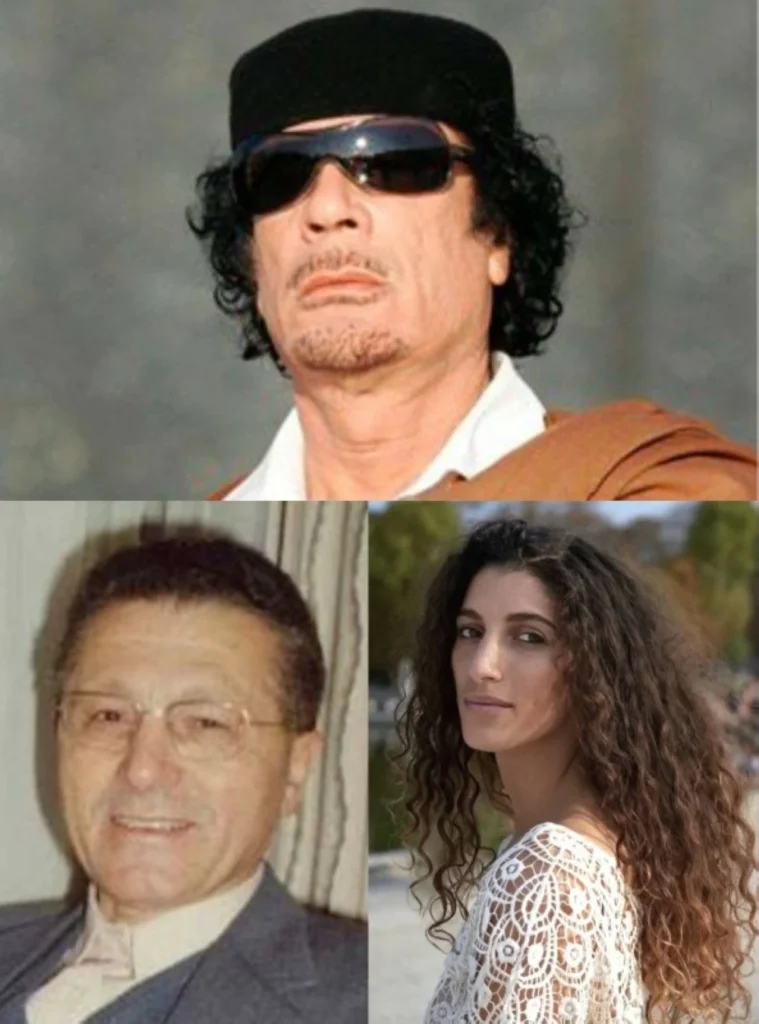
عادت قصة اختطاف المعارض الليبي منصور الكيخيا للواجهة من جديد، بعد فوز الفيلم الوثائقي «بابا والقذافي» بجائزة «أفضل فيلم وثائقي» ضمن المسابقة الدولية للأفلام الطويلة بمهرجان الدوحة السينمائي 2025، الذي اختتم فعاليات دورته الأولى يوم الجمعة الماضي، بحضور بارز من صناع الأفلام والضيوف.
قصة الاختطاف
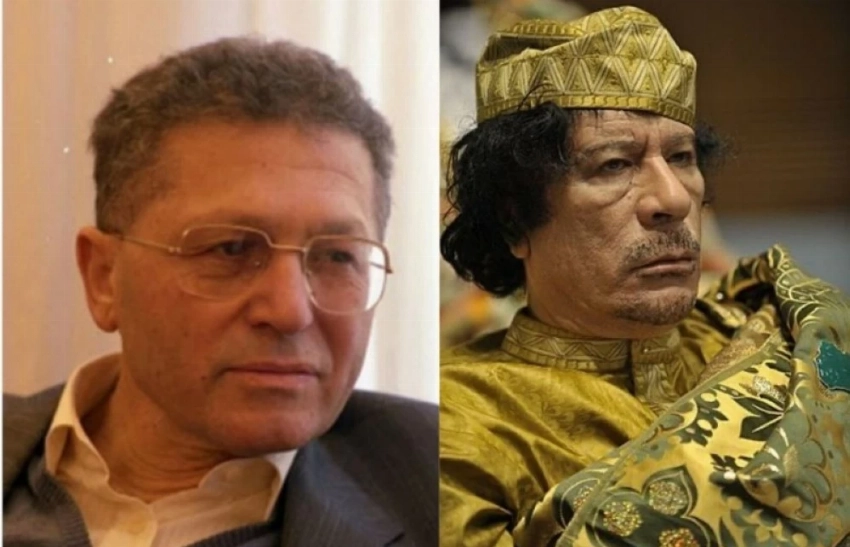
ويسرد الفيلم الوثائقي الطويل «بابا والقذافي»، من إخراج جيهان الكيخيا، قصة اختطاف والدها، المناضل الليبي منصور الكيخيا، والذي شغل منصب وزير خارجية ليبيا ورئيس بعثتها لدى الأمم المتحدة في عهد القذافي، لكنه انشق لاحقا وانضم إلى المعارضة وأسس المنظمة العربية لحقوق الإنسان، ثم اختفى بشكل مفاجئ من فندق في القاهرة عام 1993، بسبب مواقفه السياسية. ويركز الفيلم على رحلة جيهان الكيخيا الطويلة لاستكشاف الحقيقة، مستنداً إلى جهود والدتها الفنانة السورية – الأمريكية بهاء العمري الكيخيا، التي استمرت في البحث عن فك لغز اختفاء زوجها نحو 19 عامًا.
كشف الغموض وفضح اللغز
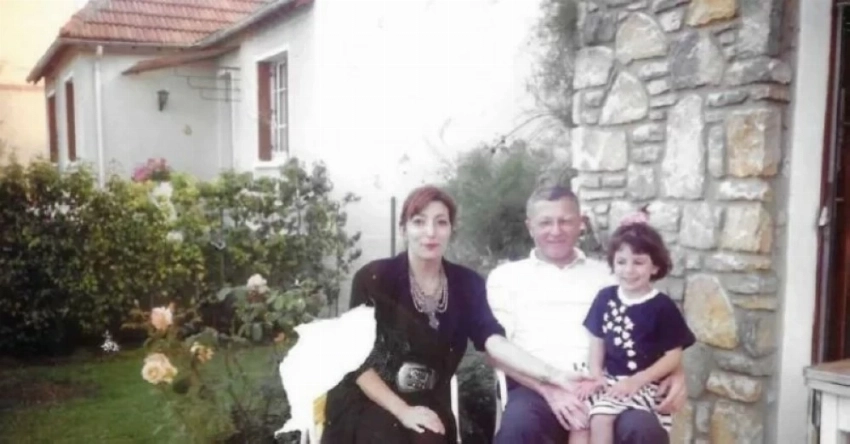
تروى الزوجة بهاء العمري خلال الفيلم «بعد عام من اختفائه، أرسلت لي وكالات الاستخبارات الأمريكية رسالة تفيد بأن زوجي قُتل على يد القذافي في ليبيا، وأن جثته أُلقيت في الصحراء. لم أصدقهم فورا. لا أدري لماذا أعطوني معلومات كاذبة».
وكان حدسها الداخلي أصدق وأقوى تأثيرا، وقد ثبت فيما بعد صحة استدلالات بعد أن انكشفت ملابسات الحادثة أثناء قيام ثورة فبراير 2011، حيث تم العثور على جثمانه في ثلاجة بأحد المباني التابعة لأجهزة أمن«القذافي» بطرابلس.. بعد اعترافات مدير المخابرات للنظام السابق «عبدالله السنوسي» وإدلائه بمعلومات بشأن القضية تقول: بأن «منصور الكيخيا» تم اختطافه بأوامر من “القذافي” ونقله من مصر إلى ليبيا، وبقى سجينا لمدة أربع سنوات، وتم اغتياله لاحقا في ظروف غامضة سنة 1997.
سرد القصة والحوارات المصورة
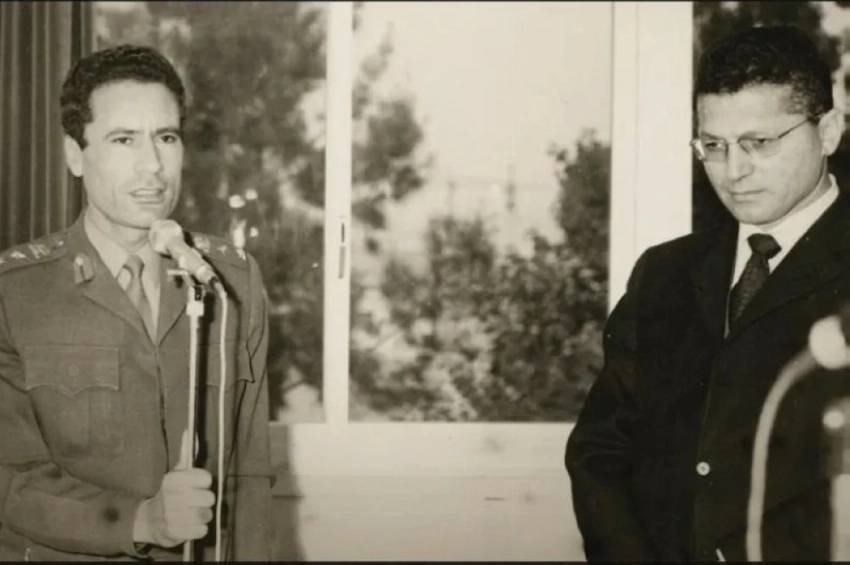
وتميز الفيلم في عوالم السرد الوثائقي كالحوارات المسجلة، التي ترصد في جانب منها رحلة تلك الأسرة في البحث عن كل ما يتعلق بصلة ما للأب الراحل، وكذلك الحوارات المصورة مع بعض أهله وأصدقائه، ما يسمح بتكوين صورة ذهنية عن إنجازاته، فضلا عن المشاهد العائلية، التي اقتنصت لحظاتها على مدى سنوات طفولة المخرجة، وهي تكشف بطريقة أو بأخرى التأثيرات المباشرة لهذا الاختفاء المباغت.

10 سنوات لإتمام الفيلم
من جانبها، قالت المخرجة جيهان الكيخيا: استغرقت نحو 10 سنوات لإتمام هذا الفيلم، فقد طرقت الفكرة ذهني أثناء دفن أبي، وبعد اندلاع الحرب الأهلية الليبية، حينها أدركت أنه لا بد من البحث عن الحقيقة.
وأشارت المخرجة الليبية إلى أنها موّلت الفيلم بالكامل عبر منح ومنظمات غير ربحية حول العالم، وتعمّدت أن يكون المشروع مستقلاً تماماً ليبقى بعيداً عن أي تأثير سياسي أو سردية مبسّطة تختزل القصة في «شر مطلق وخير مطلق»، وهو ما جعلها تحافظ على استقلال الفيلم طوال تسع سنوات كي لا يتدخل أحد في قراراته أو يوجّه رسالته، مؤكدة أن «العمل في جوهره مشروع شخصي شديد الحساسية؛ لأنه يروي قصة بلد لا توجد عنه مواد تاريخية مصوّرة كافية».
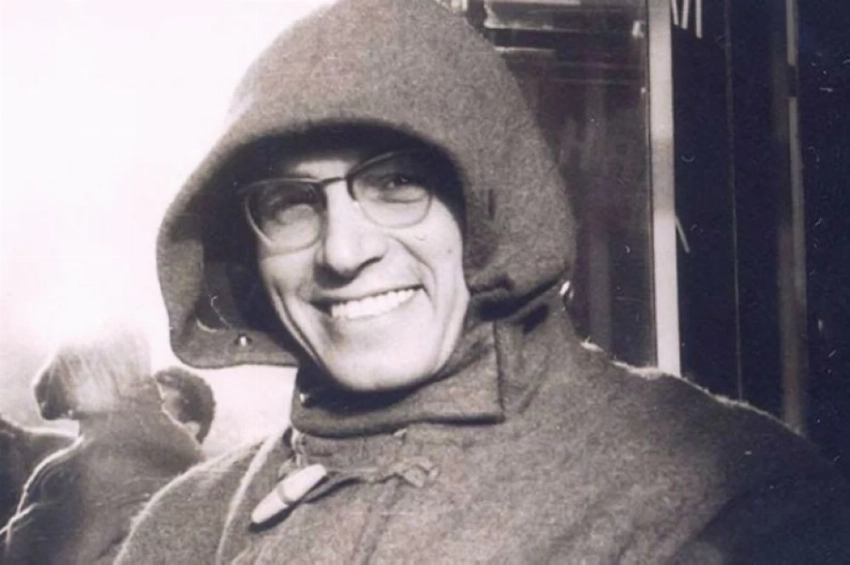
ملامح من حياة الشخصية الرئيسية
يذكر أن الشخص الذي تدور أحداث الفيلم حول قصته، بدأ العمل الدبلوماسي منذ عهد الملكية في ليبيا، حيث شغل منصور الكيخيا منصب قائم بالأعمال الليبي في فرنسا عام 1962 والجزائر عام 1963، فقنصلا عاما في جنيف (1963-1967) وعضوا في البعثة الليبية بالأمم المتحدة عام 1968.
وبعد انقلاب 1969 الذي أوصل القذافي إلى السلطة عين في منصب وزير الخارجية (1972ـ1973)، ثم عمل في المحاماة، وبعدها في منصب الممثل الدائم لليبيا في الأمم المتحدة بين أعوام 1975 و1980، ثم استقال وانشق بعدها عن نظام القذافي وانضم إلى صفوف المعارضة الليبية.
The story of the abduction of Libyan opposition figure Mansour Kikhia has resurfaced, following the documentary film “Papa and Gaddafi” winning the “Best Documentary Film” award at the 2025 Doha Film Festival’s international feature film competition, which concluded its first edition last Friday, with notable attendance from filmmakers and guests.
The Abduction Story
The long documentary film “Papa and Gaddafi,” directed by Jihan Kikhia, narrates the story of her father, the Libyan activist Mansour Kikhia, who served as Libya’s Foreign Minister and head of its UN mission during Gaddafi’s regime, but later defected and joined the opposition, founding the Arab Organization for Human Rights. He then mysteriously disappeared from a hotel in Cairo in 1993 due to his political stances. The film focuses on Jihan Kikhia’s long journey to uncover the truth, relying on the efforts of her mother, Syrian-American artist Baha Al-Omari Kikhia, who continued to search for answers regarding her husband’s disappearance for nearly 19 years.
Unraveling the Mystery
Baha Al-Omari recounts in the film, “A year after his disappearance, I received a message from American intelligence agencies stating that my husband was killed by Gaddafi in Libya, and that his body was thrown into the desert. I didn’t believe them immediately. I don’t know why they gave me false information.”
Her inner intuition proved to be more truthful and impactful, as later developments during the February 2011 revolution revealed the circumstances of the incident. His body was found in a freezer at one of Gaddafi’s security buildings in Tripoli, following confessions from the former regime’s intelligence chief Abdullah Senussi, who provided information about the case stating that “Mansour Kikhia” was abducted on Gaddafi’s orders and transferred from Egypt to Libya, where he remained imprisoned for four years before being assassinated under mysterious circumstances in 1997.
Narrating the Story and Filmed Dialogues
The film is distinguished in the realms of documentary narration, featuring recorded dialogues that capture the family’s journey in searching for everything related to the late father, as well as filmed conversations with some of his relatives and friends, allowing for a mental image of his achievements to be formed, in addition to family scenes that captured moments over the director’s childhood years, revealing, in one way or another, the direct impacts of this sudden disappearance.
10 Years to Complete the Film
For her part, director Jihan Kikhia stated: “It took me about 10 years to complete this film. The idea struck me while burying my father, and after the outbreak of the Libyan civil war, at which point I realized that I had to search for the truth.”
She noted that she fully funded the film through grants and non-profit organizations around the world, and she intentionally made the project completely independent to keep it free from any political influence or simplified narratives that reduce the story to “absolute evil and absolute good,” which allowed her to maintain the film’s independence for nine years so that no one would interfere with its decisions or direct its message, emphasizing that “the work is, at its core, a highly sensitive personal project; because it tells the story of a country for which there are not enough historical visual materials.”
Features of the Main Character’s Life
It is worth mentioning that the person around whom the film revolves began his diplomatic career during the monarchy in Libya, where Mansour Kikhia served as Chargé d’Affaires in France in 1962 and Algeria in 1963, then as Consul General in Geneva (1963-1967) and a member of the Libyan mission to the United Nations in 1968.
After the 1969 coup that brought Gaddafi to power, he was appointed as Foreign Minister (1972-1973), then worked in law, and later served as Libya’s permanent representative to the United Nations between 1975 and 1980, before resigning and defecting from Gaddafi’s regime to join the ranks of the Libyan opposition.