
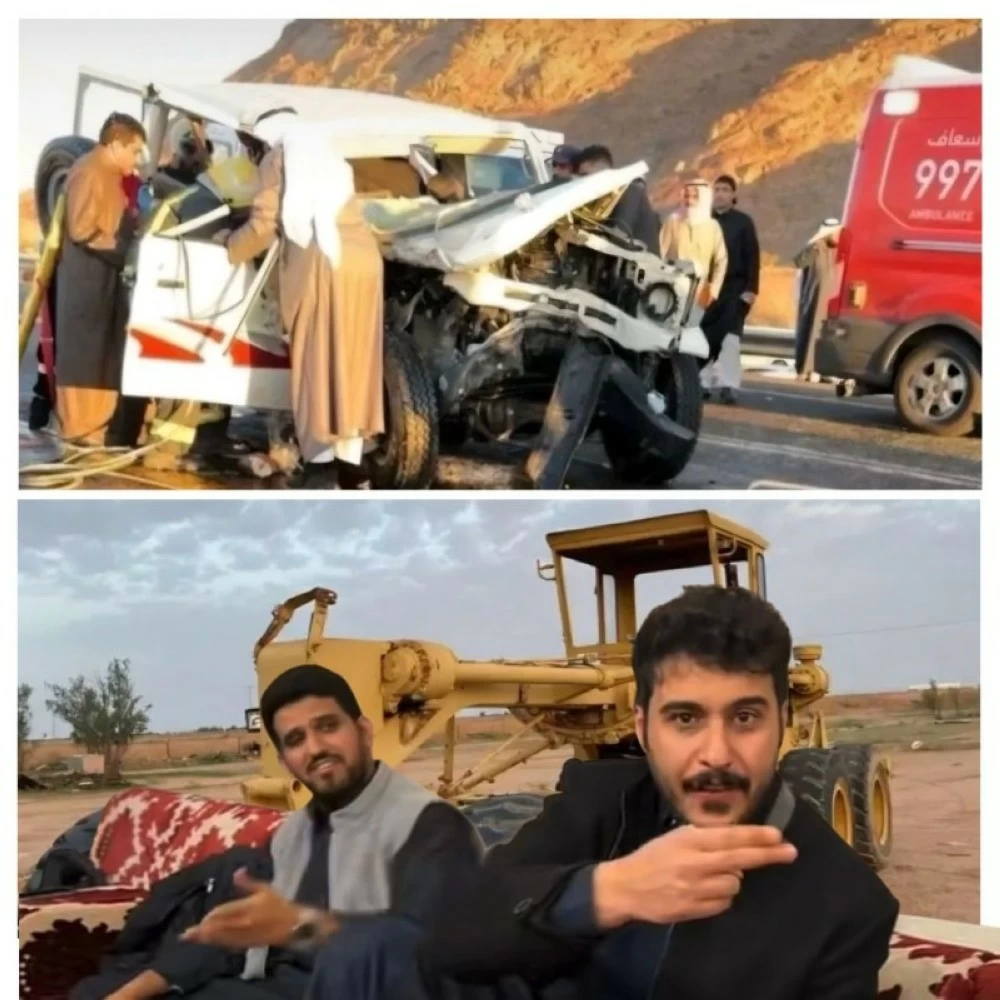
تتوالى الشهادات حول حادث السير الذي أودى بحياة صانع المحتوى المعروف أبو مرداع، وسط حالة من الجدل الواسع في منصات التواصل، قبل أن يخرج المؤثر وصانع المحتوى السياحي بدر العلي برواية ميدانية أضاءت جانباً مختلفاً من تفاصيل اللحظة.
السرعة ليست السبب
العلي كشف أن سرعة المركبة التي كان يستقلها أبو مرداع وصديقه بدر الشمري (أبو حصة) راوحت بين 80 و90 كيلومتراً في الساعة، وفق ما وقف عليه خلال زيارته للمصاب ومراجعته تفاصيل المشهد. وأوضح أن العامل الحاسم في الحادث لم يكن السرعة، وإنما حجب الرؤية بشكل كامل.
ستار ضوئي قاتل
بحسب رواية العلي، فإن أشعة الشمس المباشرة تزامنت مع وجود معدة ثقيلة صفراء اللون في مسار الطريق، وهو لون انعكس مع ضوء الشمس ليصنع ساتراً بصرياً أربك الرؤية في لحظة خاطفة. ويقول العلي إن لون المعدة كان مطابقاً تقريباً للون الشمس في ذروة سطوعها، ما جعل المشهد أمام السائق كتلة ضوئية واحدة بلا تفاصيل.
قضاء وقدر لا خطأ مروري
العلي وصف ما حدث بأنه تداخل قاسٍ بين عاملين بصريين؛ شمس عمودية تحجب الأفق، ومعدة ثقيلة ثابتة بلون يعكس الضوء، لتنتهي اللحظة بحادث مأساوي، اعتبره «قضاءً وقدراً» أكثر من كونه سلوكاً مرورياً خاطئاً.
رفض تحميل السائق المسؤولية
وتوقف العلي عند موجة الاتهامات التي طالت السائق المصاب أبو حصة، معبراً عن دهشته من تحميله مسؤولية الحادث، في وقت كان هو ذاته أحد ضحايا المشهد، ويتلقى العلاج متأثراً بإصابات جسدية ونفسية.
هذه الشهادة تضيف بعداً إنسانياً وميدانياً إلى حادث شغل الرأي العام، وتعيد توجيه النقاش من ساحة الاتهام السريع إلى مساحة أوسع، تضع عوامل الطريق والبيئة البصرية ضمن سياقها الحقيقي، وتؤكد أن بعض الحوادث تولد من لحظة عمياء، تتقدم فيها الأقدار على أي تفسير آخر.
Testimonies continue to emerge regarding the traffic accident that claimed the life of the well-known content creator Abu Mardaa, amidst widespread controversy on social media platforms, before the influencer and tourism content creator Badr Al-Ali presented a field account that shed light on a different aspect of the moment’s details.
Speed is not the cause
Al-Ali revealed that the speed of the vehicle that Abu Mardaa and his friend Badr Al-Shammari (Abu Hissa) were traveling in ranged between 80 and 90 kilometers per hour, according to what he observed during his visit to the injured and his review of the scene’s details. He clarified that the decisive factor in the accident was not speed, but rather a complete obstruction of vision.
A deadly light barrier
According to Al-Ali’s account, direct sunlight coincided with the presence of a heavy yellow-colored vehicle in the road’s path, a color that reflected with the sunlight to create a visual barrier that confused visibility in a fleeting moment. Al-Ali states that the color of the vehicle was almost identical to the color of the sun at its peak brightness, making the scene in front of the driver appear as a single light mass without details.
Fate and destiny, not a traffic error
Al-Ali described what happened as a harsh overlap between two visual factors; a vertical sun blocking the horizon, and a stationary heavy vehicle with a color that reflects light, culminating in a tragic accident, which he considered to be “fate and destiny” more than a traffic violation.
Refusal to hold the driver responsible
Al-Ali paused at the wave of accusations directed at the injured driver Abu Hissa, expressing his astonishment at holding him responsible for the accident, at a time when he himself was one of the victims of the scene and was receiving treatment for physical and psychological injuries.
This testimony adds a human and field dimension to an incident that has occupied public opinion, redirecting the discussion from a space of quick accusations to a broader area that places the factors of the road and visual environment within their true context, and emphasizes that some accidents are born from a blind moment, where fate prevails over any other explanation.