
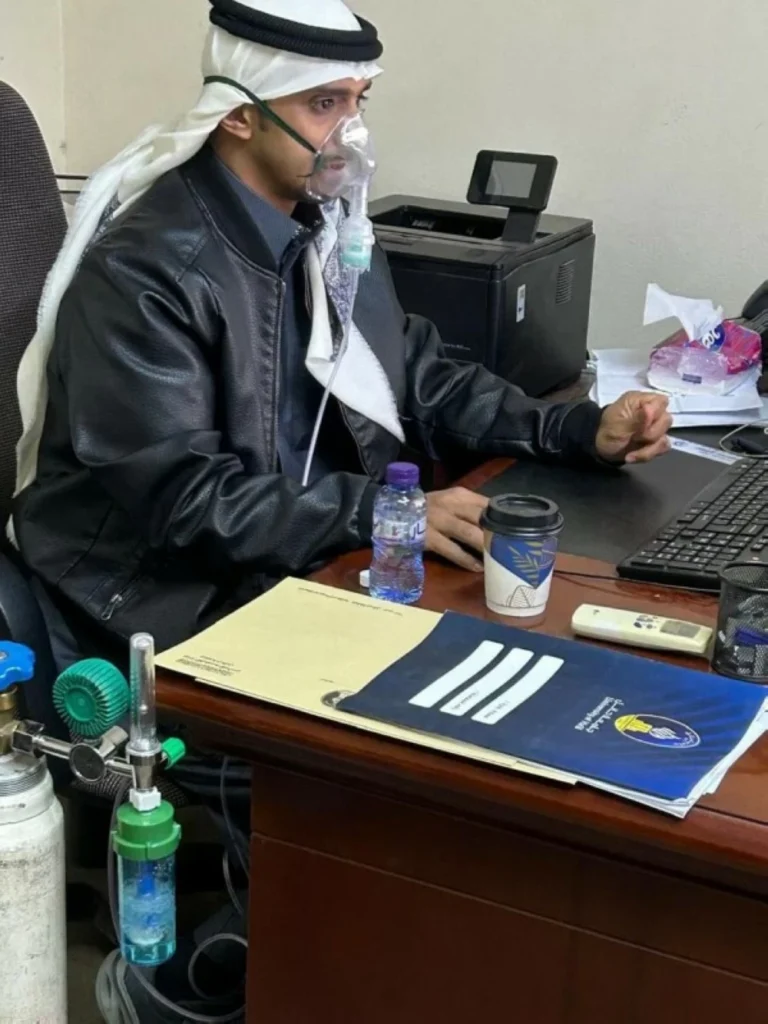
أثارت صورة متداولة لأحد منسوبي جامعة حائل، ظهر فيها أثناء أداء عمله وهو يستخدم جهاز تنفس متصلاً بأسطوانة أُكسجين، تفاعلاً واسعاً على منصات التواصل الاجتماعي، عكس انقساماً بين من رأى فيها نموذجاً للإخلاص الوظيفي، ومن طرح تساؤلات تتعلق ببيئة العمل وحقوق الموظف الصحية، وحدود المبادرات الفردية داخل الجهات الحكومية.
جامعة حائل علّقت على الصورة عبر حسابها الرسمي بإشادة بروح المسؤولية والانتماء، ووصفت ما قام به الموظف بأنه يعكس قيم العطاء والتفاني، مؤكدة أن خدمة العمل تمثل رسالة قبل أن تكون وظيفة، مع الدعاء له بالشفاء العاجل.
الإيضاح ركّز على البعد الإنساني والمعنوي للحالة، دون التطرق إلى تفاصيل تنظيمية تتعلق بالإجازة المرضية، أو الإشارة إلى وجود تقرير طبي، أو شرح الإجراءات المتبعة للتعامل مع الحالات الصحية أثناء العمل.
في المقابل، تنص لائحة إدارة السلامة والصحة المهنية الصادرة عن وزارة الموارد البشرية والتنمية الاجتماعية على التزام جهة العمل بتوفير بيئة عمل آمنة، واتخاذ التدابير الوقائية التي تحول دون تعريض الموظف لأي مخاطر صحية، مع تحميل الجهة مسؤولية تطبيق متطلبات السلامة على جميع العاملين.
كما تؤكد اللائحة التنفيذية لنظام العمل أن الحالات الصحية التي قد تشكل خطراً تستوجب تقييماً طبياً معتمداً يحدد مدى القدرة على مزاولة العمل أو يقر منح إجازة مرضية، ويُعد هذا التقييم إجراءً إدارياً ملزماً لا يخضع للرغبة الشخصية أو المبادرات الفردية.
ويرى مختصون أن التحدي في مثل هذه الحالات لا يرتبط بالنية أو الإشادة، بقدر ما يرتبط بضرورة موازنة الخطاب الإنساني مع الالتزام الصريح بلوائح السلامة والصحة المهنية، بما يحمي الموظف، ويغلق باب التأويل، ويعكس صورة مؤسسية دقيقة لبيئة العمل الحكومية في المملكة.
A widely circulated image of an employee from the University of Hail, showing him performing his duties while using a respirator connected to an oxygen cylinder, has sparked extensive reactions on social media platforms, reflecting a division between those who see it as a model of professional dedication and those who raised questions regarding the work environment, employee health rights, and the limits of individual initiatives within government entities.
The University of Hail commented on the image through its official account, praising the spirit of responsibility and belonging, describing the employee’s actions as reflecting values of giving and dedication, and affirming that serving the work represents a message before it is a job, while wishing him a speedy recovery.
The clarification focused on the human and moral dimension of the case, without addressing organizational details related to sick leave, or mentioning the existence of a medical report, or explaining the procedures followed to handle health cases during work.
On the other hand, the Occupational Safety and Health Management Regulation issued by the Ministry of Human Resources and Social Development stipulates the employer’s commitment to providing a safe work environment and taking preventive measures to prevent exposing employees to any health risks, holding the entity responsible for applying safety requirements to all workers.
The executive regulation of the Labor Law also confirms that health cases that may pose a risk require an approved medical evaluation to determine the ability to perform work or to grant sick leave, and this evaluation is considered a mandatory administrative procedure that is not subject to personal desire or individual initiatives.
Experts believe that the challenge in such cases is not related to intent or praise, but rather to the necessity of balancing the humanitarian discourse with a clear commitment to occupational safety and health regulations, in a way that protects the employee, closes the door to interpretation, and reflects an accurate institutional image of the government work environment in the Kingdom.