
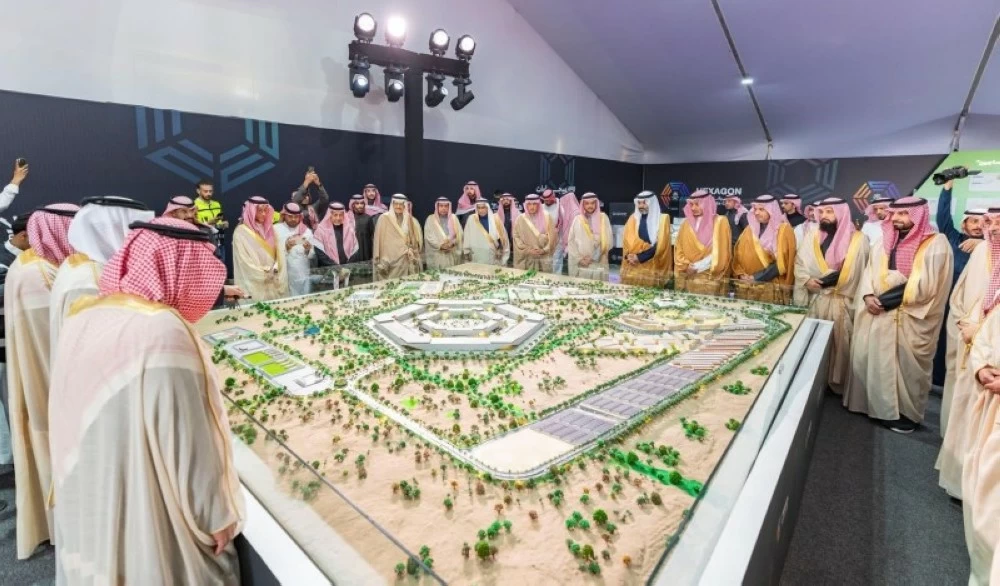
وُضع حجر الأساس اليوم لإنشاء مركز بيانات سدايا «هيكساجون» الذي يعد أكبر مركز بيانات حكومي في العالم مصنف Tier IV، ويمتلك أعلى مستوى تصنيف لمراكز البيانات حسب معهد الجهوزية العالمي «Uptime Institute»، بطاقة استيعابية إجمالية تقدر بـ 480 ميجاواط، وسيتم إنشاؤه على مساحة تتجاوز 30 مليون قدم مربع بمدينة الرياض، وصُمم وفق أعلى المعايير العالمية، لتوفير أعلى درجات التواجدية والأمان والجاهزية التشغيلية لمراكز البيانات الحكومية، وتلبية متطلبات الجهات وتنامي الاعتمادية على الخدمات الإلكترونية، بما يُسهم في تعزيز الاقتصاد الوطني، ودعم مكانة المملكة بصفتها لاعبًا رئيسًا في مستقبل الاقتصاد الرقمي العالمي.
وبهذه المناسبة أقيمت احتفالية حضرهامساعد وزير الداخلية لشؤون التقنية الأمير الدكتور بندر بن عبدالله المشاري، والأمير فهد بن خالد بن فيصل، ووزير الاتصالات وتقنية المعلومات المهندس عبدالله بن عامر السواحة، وكان في استقبالهم في مقر الحفل رئيس الهيئة السعودية للبيانات والذكاء الاصطناعي «سدايا» الدكتور عبدالله بن شرف الغامدي.
معايير عالمية
وقدّم مدير مركز المعلومات الوطني في «سدايا» الدكتور عصام بن عبدالله الوقيت، عرضًا تعريفيًا تناول خلاله تفاصيل المشروع والمواصفات التقنية والهندسية للمركز، وما يميزه من بنية تشغيلية تضمن أعلى مستويات الجاهزية والتواجدية، إضافةً إلى استعراض الاعتمادات العالمية ذات الصلة التي حصلت عليها حلول المركز وتصميمه الهندسي وفق معايير عالمية مرجعية، ثم تجول الحضور على المعرض المصاحب واطلعوا على مراحل تصميم المركز وبيئته التقنية المستقبلية.
عقب ذلك، تشارك الضيوف في وضع حجر الأساس للمركز إيذانًا ببدء أعمال تنفيذه رسميًا.
وأوضح رئيس الهيئة السعودية للبيانات والذكاء الاصطناعي «سدايا» الدكتور عبدالله بن شرف الغامدي، بأن هذا المشروع الوطني العالمي يأتي ضمن الدعم المتواصل والمستمر من ولي العهد رئيس مجلس الوزراء رئيس مجلس إدارة الهيئة السعودية للبيانات والذكاء الاصطناعي، لتضطلع الهيئة بدورها، بوصفها الجهة المختصة في المملكة بالبيانات (بما في ذلك البيانات الضخمة) والذكاء الاصطناعي، والمرجع الوطني في كل ما يتعلق بهما من تنظيم وتطوير وتعامل، لكي تسهم في الارتقاء بالمملكة إلى الريادة ضمن الاقتصادات القائمة على البيانات والذكاء الاصطناعي.
مراكز أخرى
وقال «مركز بيانات (هيكساجون) هو باكورة مبادرات إستراتيجية «سدايا» لمراكز البيانات، حيث سيعقبه إنشاء مراكز أخرى، ويعد هذا المركز دفعة إستراتيجية نوعية نحو جعل المملكة مركزًا عالميًا للبيانات، بما يكفل لها سيادة البيانات وأمنها، وتمكين الابتكار والاقتصاد الرقمي، فضلًا عن تحقيق الأثر الاقتصادي الاجتماعي في المملكة، وتمكين الجهات الحكومية، بما يحقق مستهدفات رؤية 2030، نحو الارتقاء بالمملكة العربية السعودية ضمن أفضل الاقتصادات العالمية القائمة على البيانات والذكاء الاصطناعي».
وأضاف «يعد المركز علامة فارقة في مراكز البيانات بالمنطقة، وصمم وفق معيار TIA-942 الهندسي العالمي الذي يعد أحد أبرز المعايير الهندسية لمراكز البيانات، والذي يعتمد على منظومة تشغيلية بمسارات وأنظمة مزدوجة مستقلة تضمن موثوقية العمليات تقنيًا، بما يعزز كفاءة البنية التقنية ويضمن جاهزيتها العالية حتى في أقصى الظروف التشغيلية، وبما يضمن استمرارية التشغيل وكفاءة الخدمات، كما سيضم بنية حوسبية عالية الأداء تُتيح دعمًا متقدمًا لتقنياته، بغية تعزيز قدرات القطاعات الحيوية والتنموية في المملكة في تبني تطورات الذكاء الاصطناعي المتسارعة وجذب الاستثمارات التقنية وزيادة موثوقية الخدمات الرقمية في المملكة».
حلول مبتكرة
وأفاد بأن مشروع مركز بيانات (هيكساجون) هو صديق للبيئة، إذ يعتمد على تبني حلول مبتكرة في كفاءة الطاقة والتبريد الذكي، واستخدام تقنيات حديثة للحوسبة منخفضة الاستهلاك للطاقة بما يضمن أن يكون صديقًا للبيئة والمحافظة عليها، ويتبنّى حلولًا مبتكرة تعتمد على تطبيق تقنيات متقدمة في مجال كفاءة الطاقة والتبريد الذكي، وتقنيات التبريد السائل المباشر، وأنظمة تبريد هجينة، بما يحقق أدنى معامل لفعالية استخدام الطاقة، إلى جانب الاستفادة من الطاقة المتجددة كمصدر مستدام للطاقة بما يضمن أن يكون مركز البيانات أحد أكبر مراكز البيانات الخضراء على مستوى العالم المصنف بالاعتماد العالمي للاستدامة وكفاءة الطاقة LEED Gold.
لافتًا إلى أن إستراتيجية «سدايا» نحو مراكز البيانات تسهم في انخفاض قرابة 30 ألف طن من الانبعاثات الكربونية سنويًا، وتحقق أثر اقتصادي في الناتج المحلي الإجمالي تقدر قيمته بنحو 10.8 مليار ريال، حيث تعد هذه المراكز البنية التحتية الحيوية والقلب النابض للاقتصاد الرقمي الحديث، بما يعزز مكانة المملكة العالمية في مجال البيانات والذكاء الاصطناعي، مؤكدًا مواصلةالمملكة تعزيز حضورها في مجال التقنيات المتقدمة، حيث ستعمل «سدايا» على مشاريع رائدة تعكس مسيرتها الطموحة نحو بناء منظومة رقمية متكاملة، وتعزيز الممكِّنات الوطنية في البيانات والذكاء الاصطناعي، واستحداث بنى تحتية تقنية عالمية المستوى تسهم في دعم تنافسية الاقتصاد الوطني وجذب الاستثمارات، لتحقيق مستهدفات رؤية 2030 في بناء اقتصاد معرفي مستدام وريادة عالمية في التقنيات المتقدمة.
The foundation stone was laid today for the establishment of the Sdaia “Hexagon” Data Center, which is considered the largest government data center in the world classified as Tier IV. It possesses the highest classification level for data centers according to the Uptime Institute, with a total capacity estimated at 480 megawatts. It will be built on an area exceeding 30 million square feet in Riyadh and is designed according to the highest global standards to provide the highest levels of availability, security, and operational readiness for government data centers, meeting the requirements of entities and the growing reliance on electronic services, contributing to the enhancement of the national economy and supporting the Kingdom’s position as a key player in the future of the global digital economy.
On this occasion, a celebration was held attended by the Assistant Minister of Interior for Technical Affairs, Prince Dr. Bandar bin Abdullah Al-Mashari, Prince Fahd bin Khalid bin Faisal, and the Minister of Communications and Information Technology, Engineer Abdullah bin Amer Al-Swaha. They were welcomed at the venue by the President of the Saudi Data and Artificial Intelligence Authority (Sdaia), Dr. Abdullah bin Sharaf Al-Ghamdi.
Global Standards
The Director of the National Information Center at Sdaia, Dr. Issam bin Abdullah Al-Waqit, presented an introductory presentation that covered the details of the project, the technical and engineering specifications of the center, and what distinguishes it with an operational structure that ensures the highest levels of readiness and availability. He also reviewed the relevant global accreditations that the center’s solutions and engineering design have obtained according to reference global standards. Following this, the attendees toured the accompanying exhibition and learned about the stages of the center’s design and its future technical environment.
After that, the guests participated in laying the foundation stone for the center, marking the official start of its implementation.
Dr. Abdullah bin Sharaf Al-Ghamdi, the President of the Saudi Data and Artificial Intelligence Authority (Sdaia), explained that this global national project comes as part of the continuous and ongoing support from the Crown Prince, Prime Minister, and Chairman of the Board of the Saudi Data and Artificial Intelligence Authority, for the authority to fulfill its role as the competent body in the Kingdom regarding data (including big data) and artificial intelligence, and the national reference in all matters related to them in terms of regulation, development, and interaction, in order to contribute to elevating the Kingdom to leadership among data-driven and AI-driven economies.
Other Centers
He stated, “The Hexagon Data Center is the first of Sdaia’s strategic initiatives for data centers, and it will be followed by the establishment of other centers. This center represents a qualitative strategic push towards making the Kingdom a global data hub, ensuring data sovereignty and security, enabling innovation and the digital economy, as well as achieving social economic impact in the Kingdom, and empowering government entities, in line with the objectives of Vision 2030, to elevate the Kingdom of Saudi Arabia among the best global economies based on data and artificial intelligence.”
He added, “The center is a landmark in data centers in the region and is designed according to the TIA-942 global engineering standard, which is one of the most prominent engineering standards for data centers. It relies on an operational system with independent dual paths and systems that ensure the reliability of operations technically, enhancing the efficiency of the technical infrastructure and ensuring its high readiness even in the most extreme operational conditions, thus ensuring operational continuity and service efficiency. It will also feature high-performance computing infrastructure that provides advanced support for its technologies, aiming to enhance the capabilities of vital and developmental sectors in the Kingdom to adopt rapid developments in artificial intelligence, attract technological investments, and increase the reliability of digital services in the Kingdom.”
Innovative Solutions
He noted that the Hexagon Data Center project is environmentally friendly, as it adopts innovative solutions in energy efficiency and smart cooling, using modern low-energy computing technologies to ensure it is environmentally friendly and preserves the environment. It adopts innovative solutions based on applying advanced technologies in energy efficiency and smart cooling, direct liquid cooling technologies, and hybrid cooling systems, achieving the lowest energy usage effectiveness ratio, in addition to benefiting from renewable energy as a sustainable energy source, ensuring that the data center is one of the largest green data centers globally, certified by the global sustainability and energy efficiency standard LEED Gold.
He pointed out that Sdaia’s strategy towards data centers contributes to a reduction of nearly 30,000 tons of carbon emissions annually and achieves an economic impact on the GDP estimated at about 10.8 billion riyals. These centers are considered vital infrastructure and the beating heart of the modern digital economy, enhancing the Kingdom’s global standing in the field of data and artificial intelligence. He emphasized that the Kingdom will continue to strengthen its presence in advanced technologies, as Sdaia will work on pioneering projects that reflect its ambitious journey towards building an integrated digital ecosystem, enhancing national enablers in data and artificial intelligence, and creating world-class technological infrastructure that contributes to supporting the competitiveness of the national economy and attracting investments, achieving the objectives of Vision 2030 in building a sustainable knowledge economy and global leadership in advanced technologies.