
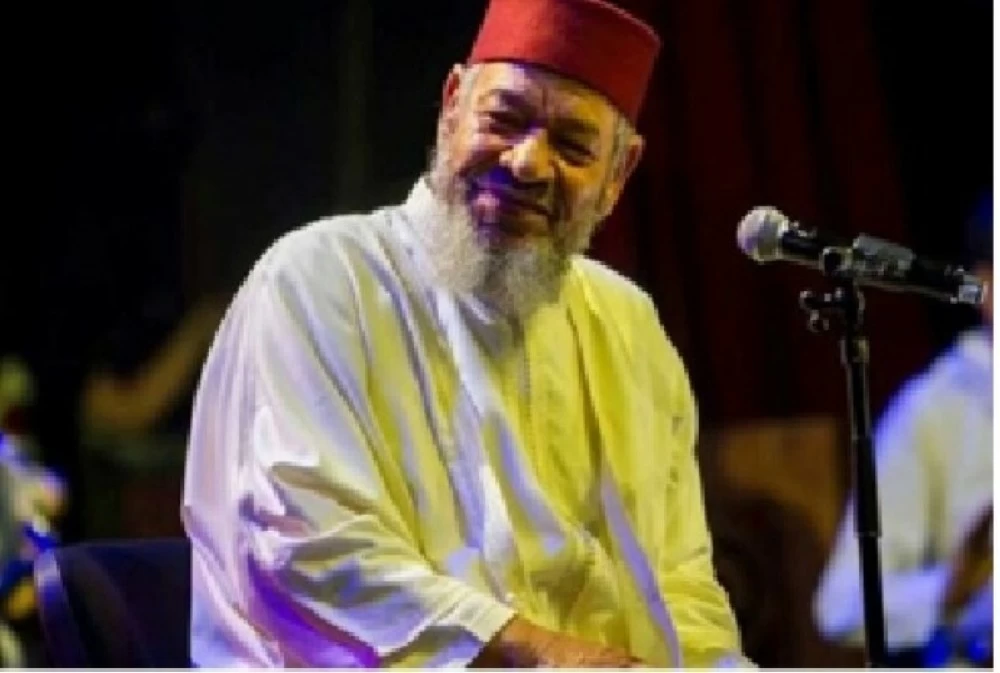
ودّع المغرب البارحة أحد أعظم رموز الطرب المغربي الأصيل الفنان القدير عبدالهادي بلخياط، عن عمر ناهز 86 عامًا، بعد مسيرة فنية استمرت أكثر من نصف قرن وأثرت في وجدان الأجيال بالمغرب.
وتوفي بلخياط إثر وعكة صحية ألمت به مؤخرًا، وأكدت مصادر مقربة أن جثمانه سيوارى الثرى اليوم (السبت) في الدار البيضاء، وسط مشاعر حزن واسعة بين عشاق الأغنية المغربية.
وأصدرت وزارة الشباب والثقافة والتواصل المغربية بيانًا نعت فيه الراحل، واصفة إياه بـ«صوت خالد في الذاكرة الفنية الوطنية»، ومشيرة إلى أن إرثه الفني حمل قيمًا إنسانية وروحية جُمعت في كلمات وألحان ستبقى محفورة في وجدان المغاربة.
ولد بلخياط عام 1940 بمدينة فاس، وبرز مطلع الستينات كأحد أبرز أعمدة الأغنية المغربية الحديثة. وارتبط اسمه بأعمال خالدة مثل «قطار الحياة» و«القمر الأحمر»، التي أصبحت أيقونات فنية تتجاوز الزمن، ما جعل منه شخصية لا يمكن تجاهلها في تاريخ الغناء المغربي.
وعلى الرغم من اعتزاله قبل أكثر من عشر سنوات، ظل حضوره الفني حيًا في قلوب جمهوره، وزاد احترام الناس له مع مرور الوقت، مؤكّدين أن إرثه سيستمر في إلهام الفنانين الصاعدين والأجيال الجديدة.
ويمثل رحيل عبدالهادي بلخياط نهاية فصل في تاريخ الطرب المغربي، لكنه يترك إرثًا موسيقيًا خالدًا، وصوتًا سيبقى حاضرًا في كل بيت مغربي، رمزًا للفن الأصيل.
Morocco bid farewell yesterday to one of the greatest symbols of authentic Moroccan music, the esteemed artist Abdelhadi Belkhayat, at the age of 86, after a musical career that spanned more than half a century and touched the hearts of generations in Morocco.
Belkhayat passed away following a health crisis he experienced recently, and close sources confirmed that his body will be laid to rest today (Saturday) in Casablanca, amidst widespread feelings of sorrow among fans of Moroccan song.
The Moroccan Ministry of Youth, Culture, and Communication issued a statement mourning the deceased, describing him as a “timeless voice in the national artistic memory,” and noting that his artistic legacy carried human and spiritual values encapsulated in words and melodies that will remain etched in the hearts of Moroccans.
Belkhayat was born in 1940 in the city of Fez, and he emerged in the early sixties as one of the most prominent pillars of modern Moroccan music. His name is associated with immortal works such as “The Train of Life” and “The Red Moon,” which have become artistic icons that transcend time, making him an undeniable figure in the history of Moroccan singing.
Despite retiring more than ten years ago, his artistic presence remained alive in the hearts of his audience, and people’s respect for him grew over time, affirming that his legacy will continue to inspire emerging artists and new generations.
The departure of Abdelhadi Belkhayat marks the end of a chapter in the history of Moroccan music, but he leaves behind an eternal musical legacy, and a voice that will remain present in every Moroccan home, a symbol of authentic art.