
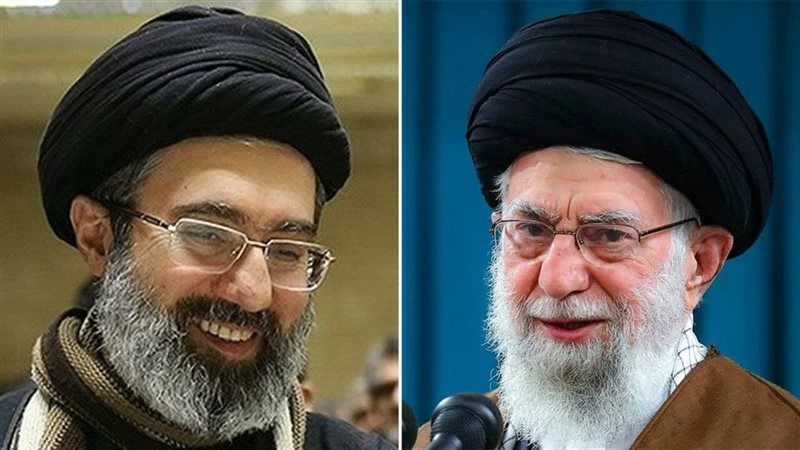
أفادت قناة إيران إنترناشيونال، ومقرها لندن، نقلًا عن مصادر وصفتها بالمطلعة، بأن مجتبى، نجل المرشد الإيراني الراحل علي خامنئي، اختير مرشدًا جديدًا للجمهورية الإسلامية، في خطوة قيل إنها جاءت تحت ضغط مباشر من الحرس الثوري الإيراني.
وكانت وسائل إعلام إيرانية قالت في وقت سابق إنه قد يتم اختيار المرشد التالي للنظام الإيراني الأسبوع القادم. وأضاف المصدر أن تدابير أمنية توضع لعقد جلسة مجلس الخبراء «على أعلى مستوى ممكن».
وبحسب المعلومات المتداولة، فإن مجلس خبراء القيادة صوّت لصالح مجتبى في أجواء أمنية مشددة، تزامنت مع تسارع لافت في وتيرة المشاورات داخل الدوائر العليا، ما يعكس حساسية المرحلة التي تمر بها طهران.
من جبهات الحرب إلى أروقة الحوزة
وتكشف محطات بارزة في مسيرة مجتبى خامنئي عن ارتباط مبكر بالمؤسسة العسكرية، إذ التحق بالحرس الثوري وخدم حتى نهاية الحرب الإيرانية – العراقية (1980–1988). وفي أواخر التسعينات، اتجه إلى المسار الديني، فالتحق بالحوزة العلمية في قم، حيث تتلمذ على أيدي عدد من العلماء المحافظين.
ويُعرف مجتبى بأنه الأقل ظهورًا إعلاميًا بين أبناء المرشد، غير أن حضوره داخل مكتب المرشد الأعلى يوصف بالمحوري، إذ يؤدي أدوارًا مؤثرة بعيدًا عن الأضواء، مستندًا إلى شبكة علاقات واسعة داخل الحرس الثوري ودوائر رجال الدين.
نفوذ متصاعد في ظل تحولات عميقة
نشأ مجتبى في مرحلة اتسمت بتحولات سياسية وأمنية عميقة داخل إيران، تزامنت مع تصاعد نفوذ الحرس الثوري، الذي تأسس كقوة موازية للجيش النظامي عقب الثورة. ومع اندلاع الحرب العراقية – الإيرانية عام 1980، تحولت حماية النظام إلى أولوية قصوى، ما عزز من حضور المؤسسة العسكرية في القرار السياسي، لا سيما خلال فترة رئاسة علي خامنئي بين عامي 1981 و1989.
ومع مطلع القرن الحادي والعشرين، وطّد مجتبى علاقاته داخل المؤسستين العسكرية والدينية، وعزز انخراطه في مكتب المرشد الأعلى، ليغدو أحد أبرز الوسطاء في تمرير توجهات والده داخل مراكز النفوذ.
اتهامات بالتدخل وتوسّع أمني
برز اسم مجتبى خامنئي بقوة عقب الانتخابات الرئاسية عام 2005، إذ اتهمته قوى معارضة بالتدخل في مسار العملية الانتخابية. كما أشارت تقارير إلى دوره في إدارة الحملة الأمنية التي أعقبت الاحتجاجات على نتائج بعض الاستحقاقات الانتخابية.
وخلال تلك الفترة، توسع جهاز استخبارات الحرس الثوري الخاضع لإشراف مكتب المرشد الأعلى، ليصبح منافسًا فعليًا لوزارة الاستخبارات، في مؤشر على إعادة رسم موازين القوة داخل مؤسسات الدولة.
The London-based Iran International channel reported, citing sources it described as informed, that Mojtaba, the son of the late Iranian leader Ali Khamenei, has been chosen as the new leader of the Islamic Republic, in a move said to have come under direct pressure from the Iranian Revolutionary Guard.
Earlier, Iranian media reported that the next leader of the Iranian regime might be chosen next week. The source added that security measures are being put in place to hold a session of the Assembly of Experts “at the highest possible level.”
According to circulating information, the Assembly of Experts voted in favor of Mojtaba in a tense security atmosphere, coinciding with a notable acceleration in consultations within high circles, reflecting the sensitivity of the phase Tehran is going through.
From War Fronts to the Halls of the Seminary
Prominent milestones in Mojtaba Khamenei’s career reveal an early connection to the military institution, as he joined the Revolutionary Guard and served until the end of the Iran-Iraq War (1980–1988). In the late 1990s, he turned towards the religious path, enrolling in the seminary in Qom, where he studied under several conservative scholars.
Mojtaba is known to be the least publicly visible among the leader’s sons; however, his presence within the office of the Supreme Leader is described as pivotal, as he plays influential roles away from the spotlight, relying on a wide network of relationships within the Revolutionary Guard and among clerical circles.
Rising Influence Amid Deep Transformations
Mojtaba grew up during a period marked by deep political and security transformations within Iran, coinciding with the rising influence of the Revolutionary Guard, which was established as a parallel force to the regular army after the revolution. With the outbreak of the Iran-Iraq War in 1980, protecting the regime became a top priority, enhancing the military institution’s presence in political decision-making, especially during Ali Khamenei’s presidency from 1981 to 1989.
At the beginning of the 21st century, Mojtaba strengthened his relationships within both the military and religious institutions, enhancing his involvement in the office of the Supreme Leader, becoming one of the most prominent intermediaries in conveying his father’s directives within centers of influence.
Accusations of Interference and Security Expansion
Mojtaba Khamenei’s name emerged strongly following the presidential elections in 2005, as opposition forces accused him of interfering in the electoral process. Reports also indicated his role in managing the security campaign that followed protests over the results of some electoral contests.
During that period, the intelligence apparatus of the Revolutionary Guard, overseen by the office of the Supreme Leader, expanded to become a real competitor to the Ministry of Intelligence, indicating a reshaping of the balance of power within state institutions.