
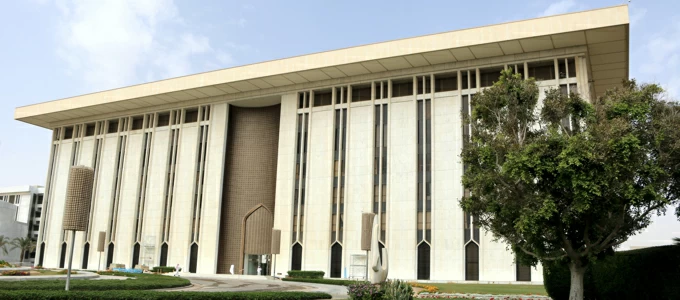
فيما قدم مواطن شكوى إلكترونية أمام البنك المركزي ضد أحد البنوك المحلية؛ بسبب استقطاع البنك لأكثر من النسبة النظامية المحددة، وعولجت شكواه على الفور، حصر البنك المركزي في تعميم للبنوك والمصارف بشأن التعليمات الموحدة للمبالغ المستثناة من الحجز بموجب الأوامر القضائية بـ 13 حالة لا تمس في المبالغ المودعة في حساب العميل، و3 حالات يتم الإبقاء فيها على نسبة 67 % من المبلغ المودع.
وبيّن البنك المركزي أن الترتيبات التي تمت بين وزارة العدل والبنك المركزي بشأن استثناء النفقات المودعة في حساب الحاضن ومبالغ التعويض الناتجة عن الأخطاء الطبية من الحجز بموجب الأوامر القضائية.
وعمم البنك المركزي قائمة محدثة للمبالغ المودعة في حسابات العملاء والمستثناة من الحجز بموجب الأوامر القضائية.
وبحسب رصد «عكاظ» تشمل القائمة المحدثة 16 حالة منها 13 حالة لا تمس فيها المبالغ بتاتاً و3 حالات يتم فيها الإبقاء على نسبة 67 % من المبلغ دون المساس به
القائمة الممنوعة
تشمل القائمة: دعم وزارة البلديات والإسكان (دعم سكني) بنسبة 100%، بنك التنمية الاجتماعية (تمويل اجتماعي) بنسبة 100%، دعم وزارة المالية (بدل سكن وإعاشة للنازحين من الحد الجنوبي) بنسبة 100%، دعم وزارة الموارد البشرية والتنمية الاجتماعية (معاش الضمان الاجتماعي) بنسبة 100%، صندوق تنمية الموارد البشرية (دعم حافز) بنسبة 100%، وزارة البيئة والمياه والزراعة (إعانة زراعية) بنسبة 100%، مؤسسة مسك الخيرية (دعم مادي مقدم من برنامج سند محمد بن سلمان) بنسبة 100%، الجمعيات الخيرية (تبرعات – إعانات) بنسبة 100%، مدارس تحفيظ القرآن الكريم ووزارة التعليم (مكافأة الأبناء المودعة في حسابات أبائهم المحجوزة) بنسبة 100%، صندوق النفقة (نفقة) بنسبة 100%، وزارة الصحة ( تعويض عن الإقامة خارج المدينة لتلقي العلاج) بنسبة 100%، وزارة الصحة (مبالغ تعويض الناتجة عن الأخطاء الطبية) بنسبة 100%، استقطاع من الفرد/الراتب (نفقات الأبناء المودعة في حساب الحاضن) بنسبة 100%، وزارة المالية (عوائد شهرية) بنسبة 67%، المؤسسة العامة للتأمينات الاجتماعية (تعويض مهني) بنسبة 67%، وزارة الموارد البشرية والتنمية الاجتماعية (دعم ساند) بنسبة 67%.
لا مساس بالحاجات الأساسية
المحامية تغريد حدادي أوضحت لـ«عكاظ» أن مسألة الحجز على الأموال تُعد من أكثر الموضوعات حساسية في الواقع العملي، لما لها من تأثير مباشر على معيشة الأفراد واستقرارهم المالي. ورغم مشروعية التنفيذ وسيلةً لتحصيل الحقوق، إلا أن النظام في السعودية رسم حدوداً واضحة تحول دون المساس بالحاجات الأساسية للمدين؛ تحقيقاً لتوازن دقيق بين حق الدائن في استيفاء دينه، وحق المدين في الحفاظ على استقراره المعيشي.
وأشارت حدادي إلى أن البنك المركزي أكد من خلال تعاميمه الملزمة على البنوك والمصارف ضرورة عدم الحجز أو الاستقطاع من الأموال ذات الطبيعة المعيشية أو الاجتماعية التي تُودع في حسابات العملاء، مع التأكيد على تمكين المستفيد من السحب حسب النسب النظامية الموضحة في قائمة المبالغ المودعة في حسابات العملاء والمستثناة من الحجز بموجب الأوامر القضائية. كما أوجب إعادة أي مبالغ يتم استقطاعها بالخطأ خلال مدة لا تتجاوز (24 ساعة)، وهو ما يعكس مستوى متقدماً من الحماية التنظيمية.
وبيّنت حدادي أن هذه الأموال تشمل، على سبيل المثال لا الحصر، معاشات الضمان الاجتماعي، والدعم السكني، وبرامج الدعم الحكومي مثل «حافز»، إلى جانب الإعانات الخيرية والنفقات والتعويضات ذات الطابع الإنساني مثل التعويضات الناتجة عن الأخطاء الطبية، وهي مبالغ ترتبط ارتباطاً مباشراً بتأمين الحاجات الأساسية للفرد، الأمر الذي يبرر إحاطتها بحماية نظامية خاصة.
وأضافت حدادي أنه على المستوى التشريعي، جاءت المادة (21) من نظام التنفيذ السعودي لتؤكد هذا التوجه، ونصت على عدم جواز الحجز على مجموعة من الأموال، من بينها مسكن المدين في حدود الكفاية، ووسيلة نقله، والأدوات اللازمة لمزاولة مهنته، إضافة إلى الرواتب والأجور التي لا يجوز الحجز عليها إلا في نطاق محدد، بحيث لا يتجاوز الحجز نصف الراتب في دين النفقة، وثلثه في الديون الأخرى.
متى يصعّد الأمر إلى البنك المركزي؟
رغم وضوح الإطار النظامي، لفتت حدادي إلى أن التطبيق العملي قد يشهد في بعض الحالات استقطاع مبالغ مستثناة من الحجز، وهو ما استدعى وجود مسار إجرائي واضح لمعالجة هذه الحالات. إذ يتعين على العميل التقدم أولاً بشكوى إلى البنك المعني، وفي حال عدم معالجة الإشكالية، يمكن تصعيدها إلى البنك المركزي السعودي عبر قنواته الرسمية، بما يضمن سرعة التحقق وإعادة الحقوق إلى أصحابها.
وذكرت حدادي أن أثر هذه الحماية لا يقتصر على الجانب الفردي فحسب، بل يمتد ليعزز الثقة في المنظومة العدلية والمصرفية، ويرسخ مبدأ العدالة المتوازنة التي تكفل استيفاء الحقوق، وتضمن في الوقت ذاته عدم المساس بالحاجات الأساسية للأفراد.
وختمت بالقول: يتضح بذلك أن النظام السعودي لا يكتفي بتنظيم إجراءات التنفيذ، بل يحيطها بضمانات واضحة تكفل تحقيق العدالة في أوسع صورها، بما يحفظ الحقوق، ويصون الكرامة الإنسانية، ويعزز من استقرار المعاملات المالية في المجتمع.
A citizen filed an electronic complaint with the central bank against one of the local banks due to the bank deducting more than the legally specified percentage. His complaint was addressed immediately. The central bank, in a circular to banks and financial institutions regarding the unified instructions for amounts exempted from seizure under court orders, identified 13 cases that do not affect the amounts deposited in the client’s account, and 3 cases where 67% of the deposited amount is retained.
The central bank clarified that arrangements were made between the Ministry of Justice and the central bank regarding the exemption of expenses deposited in the guardian’s account and compensation amounts resulting from medical errors from seizure under court orders.
The central bank circulated an updated list of amounts deposited in customer accounts that are exempt from seizure under court orders.
According to a report by “Okaz,” the updated list includes 16 cases, of which 13 cases do not affect the amounts at all, and 3 cases where 67% of the amount is retained without being touched.
The Prohibited List
The list includes: support from the Ministry of Municipal and Rural Affairs and Housing (housing support) at 100%, the Social Development Bank (social financing) at 100%, support from the Ministry of Finance (housing and living allowances for displaced persons from the southern border) at 100%, support from the Ministry of Human Resources and Social Development (social security pension) at 100%, the Human Resources Development Fund (Hafiz support) at 100%, the Ministry of Environment, Water, and Agriculture (agricultural aid) at 100%, the Misk Foundation (financial support provided by the Mohammed bin Salman Program) at 100%, charitable organizations (donations – aid) at 100%, Quran memorization schools and the Ministry of Education (children’s allowances deposited in their guardians’ frozen accounts) at 100%, the Alimony Fund (alimony) at 100%, the Ministry of Health (compensation for staying outside the city for treatment) at 100%, the Ministry of Health (compensation amounts resulting from medical errors) at 100%, deductions from individuals/salaries (children’s expenses deposited in the guardian’s account) at 100%, the Ministry of Finance (monthly returns) at 67%, the General Organization for Social Insurance (professional compensation) at 67%, and the Ministry of Human Resources and Social Development (Sanad support) at 67%.
No Impact on Basic Needs
Lawyer Taghreed Haddadi explained to “Okaz” that the issue of seizing funds is one of the most sensitive topics in practical reality, due to its direct impact on individuals’ livelihoods and financial stability. Although the legitimacy of enforcement as a means of collecting rights is recognized, the system in Saudi Arabia has drawn clear boundaries that prevent infringing on the basic needs of the debtor, achieving a delicate balance between the creditor’s right to collect their debt and the debtor’s right to maintain their living stability.
Haddadi pointed out that the central bank has emphasized through its mandatory circulars to banks and financial institutions the necessity of not seizing or deducting from funds of a living or social nature that are deposited in customer accounts, while ensuring that the beneficiary can withdraw according to the legal percentages outlined in the list of amounts deposited in customer accounts that are exempt from seizure under court orders. It also mandated the return of any amounts mistakenly deducted within a period not exceeding 24 hours, reflecting an advanced level of regulatory protection.
Haddadi indicated that these funds include, but are not limited to, social security pensions, housing support, government support programs such as “Hafiz,” as well as charitable aids and expenses and compensations of a humanitarian nature, such as compensations resulting from medical errors, which are amounts directly related to securing the basic needs of individuals, justifying their protection under specific regulatory safeguards.
She added that at the legislative level, Article 21 of the Saudi Enforcement Law confirms this direction, stating that seizing a group of funds is not permissible, including the debtor’s housing within reasonable limits, their means of transportation, and the tools necessary for practicing their profession, in addition to salaries and wages that can only be seized within a limited scope, not exceeding half of the salary for alimony debts and one-third for other debts.
When to Escalate the Matter to the Central Bank?
Despite the clarity of the regulatory framework, Haddadi noted that practical application may sometimes witness the deduction of amounts exempt from seizure, necessitating a clear procedural pathway to address these cases. The client must first file a complaint with the concerned bank, and if the issue is not resolved, it can be escalated to the Saudi central bank through its official channels, ensuring prompt verification and the return of rights to their owners.
Haddadi mentioned that the impact of this protection is not limited to the individual aspect alone but extends to enhance trust in the judicial and banking system, reinforcing the principle of balanced justice that ensures the fulfillment of rights while simultaneously safeguarding individuals’ basic needs.
She concluded by stating that it is clear that the Saudi system does not merely regulate enforcement procedures but surrounds them with clear guarantees that ensure the achievement of justice in its broadest forms, preserving rights, safeguarding human dignity, and enhancing the stability of financial transactions in society.