
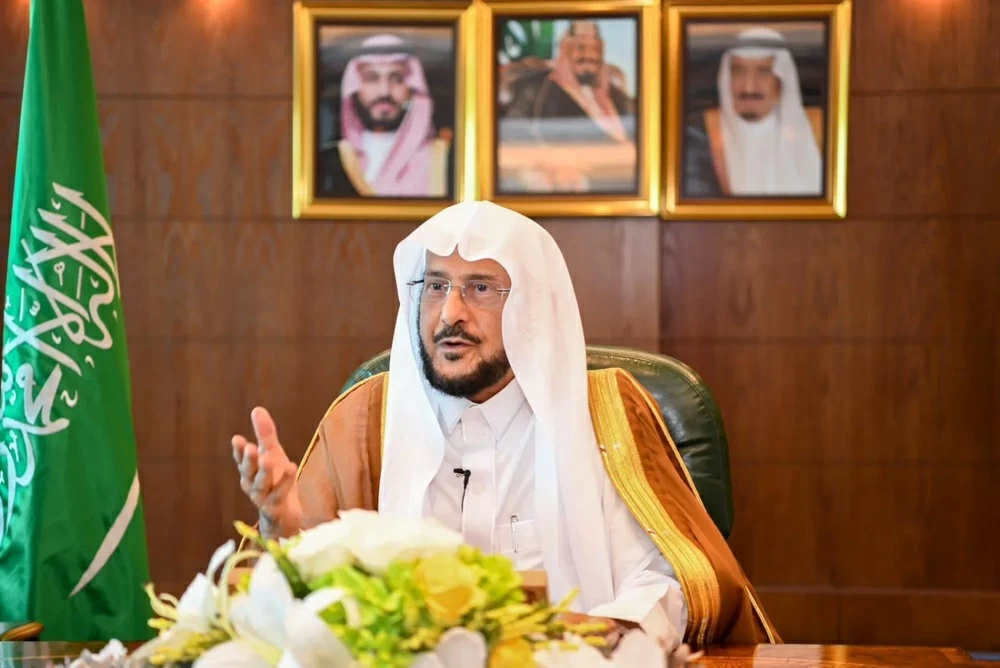
فتح وزير الشؤون الإسلامية والدعوة والإرشاد الدكتور عبداللطيف آل الشيخ ملف التبرعات المخصصة لبناء المساجد، موجهاً انتقادات مباشرة لبعض الجهات والجمعيات التي تجمع الأموال تحت هذا العنوان، مؤكداً أنه شخصياً لم يتبرع لأي جمعية، ولن يتبرع لها.
وخلال حوار مع «إندبندنت عربية»، قال آل الشيخ: «شخصياً لم أتبرع بريال واحد لجميع الجمعيات، ولن أتبرع»، في تصريح أثار نقاشاً واسعاً حول معايير الثقة والحوكمة والرقابة في بعض أنشطة العمل الخيري.
«لا أثق في الجمعيات إلا النادر»
وأوضح الوزير أن موقفه لا يشمل جميع الجهات الخيرية، لكنه أكد أن ثقته تقتصر على عدد محدود منها، قائلاً إنه لا يثق في الجمعيات «إلا النادر»، معتبراً أن بعض الجهات تستثمر العاطفة الدينية لدى المتبرعين عبر رسائل تحفيزية ومعلومات مضللة تتعلق بنسب إنجاز المشاريع أو حاجاتها المالية.
وأشار إلى أن مثل هذه الممارسات تستوجب مزيداً من التدقيق والرقابة؛ لضمان وصول التبرعات إلى أهدافها المعلنة وتحقيق أعلى درجات الشفافية.
بناء المساجد ليس مسؤولية الجمعيات
وشدد آل الشيخ على أن وزارة الشؤون الإسلامية لا تُسلم المساجد للجمعيات، وإنما للمحسنين الموثوقين بشكل مباشر، مؤكداً أنه منذ توليه الوزارة لم يمنح أي جمعية مسؤولية بناء مسجد.
وأضاف أن أي جهة تطلب التبرعات لبناء مسجد في مكة المكرمة أو في أي منطقة أخرى دون الحصول على موافقات رسمية وواضحة من الوزارة «ليست صادقة»، داعياً المتبرعين إلى التحقق من الجهات التي تطلب الدعم المالي قبل المساهمة فيها.
موثوقية حملات التبرع
وتكتسب تصريحات الوزير أهمية خاصة لصدورها عن الجهة الحكومية المشرفة على المساجد، إذ أعادت طرح تساؤلات جوهرية حول كيفية التحقق من موثوقية الجهات التي تجمع التبرعات، ومدى التزامها بالأنظمة والإجراءات الرسمية.
كما سلطت الضوء على أهمية الإفصاح والشفافية في المشاريع الخيرية، خصوصاً تلك التي تُسوَّق تحت عناوين دينية أو ترتبط بمشروعات بناء المساجد في مكة المكرمة والمشاعر المقدسة.
مشاريع لم تُسلَّم
وكشف الوزير رصد حالات لجهات أعلنت مشاريع لبناء مساجد وجمعت مبالغ مالية كبيرة من المتبرعين، لكنها لم تُسلّم تلك المشاريع للوزارة، الأمر الذي يستدعي التشديد على آليات المتابعة والرقابة على بعض حملات التبرع.
ويرى مراقبون أن تصريحات آل الشيخ تمثّل دعوة مباشرة لتعزيز الثقة في القطاع غير الربحي، والتمييز بين المبادرات الخيرية الملتزمة بالأنظمة والجهات التي تعمل خارج الأطر الرسمية، بما يحفظ أموال المتبرعين ويضمن توجيهها إلى مصارفها المعلنة.
مجلس الجمعيات الأهلية: لا للتعميم
بدوره، نشر حساب على منصة «إكس» يُنسب إلى مجلس الجمعيات الأهلية بيانًا مطولًا أكد فيه أهمية عدم التعميم أو إطلاق أحكام قد تؤثر في الصورة الذهنية للقطاع غير الربحي، مؤكدًا أن مساهمة القطاع تجاوزت 70 مليار ريال في الناتج المحلي الإجمالي، وأن الجمعيات الأهلية في المملكة تعمل بصورة مؤسسية وتخضع لمنظومة تنظيمية وتشريعية ورقابية متكاملة، وأن أعمال جمع التبرعات وتنظيمها وصرفها تخضع لضوابط نظامية دقيقة وفق الأنظمة واللوائح المعمول بها،
The Minister of Islamic Affairs, Call and Guidance, Dr. Abdul Latif Al Sheikh, has opened the file on donations designated for building mosques, directing direct criticisms at some entities and associations that collect funds under this title, affirming that he personally has not donated to any association and will not donate to them.
During an interview with “Independent Arabic,” Al Sheikh said: “Personally, I have not donated a single riyal to all associations, and I will not donate,” a statement that sparked widespread discussion about the standards of trust, governance, and oversight in some charitable activities.
“I trust associations only rarely”
The minister clarified that his position does not encompass all charitable entities, but he confirmed that his trust is limited to a few, stating that he does not trust associations “except rarely,” considering that some entities exploit the religious sentiment of donors through motivational messages and misleading information regarding the completion rates of projects or their financial needs.
He pointed out that such practices require more scrutiny and oversight to ensure that donations reach their declared objectives and achieve the highest levels of transparency.
Building mosques is not the responsibility of associations
Al Sheikh emphasized that the Ministry of Islamic Affairs does not hand over mosques to associations, but rather to trusted benefactors directly, confirming that since he took over the ministry, he has not granted any association the responsibility to build a mosque.
He added that any entity requesting donations to build a mosque in Mecca or in any other area without obtaining clear and official approvals from the ministry “is not truthful,” urging donors to verify the entities requesting financial support before contributing to them.
Reliability of donation campaigns
The minister’s statements hold particular importance as they come from the governmental body overseeing mosques, as they raise fundamental questions about how to verify the reliability of entities collecting donations and their adherence to official regulations and procedures.
They also highlight the importance of disclosure and transparency in charitable projects, especially those marketed under religious titles or related to mosque construction projects in Mecca and the holy sites.
Projects not delivered
The minister revealed that he has monitored cases of entities that announced projects to build mosques and collected large sums of money from donors, yet those projects were not delivered to the ministry, which necessitates emphasizing the mechanisms for monitoring and oversight of some donation campaigns.
Observers believe that Al Sheikh’s statements represent a direct call to enhance trust in the nonprofit sector and to distinguish between charitable initiatives that comply with regulations and those that operate outside official frameworks, thereby safeguarding donor funds and ensuring they are directed to their declared purposes.
The Council of Charitable Associations: No to generalizations
For its part, an account on the “X” platform attributed to the Council of Charitable Associations published a lengthy statement emphasizing the importance of not generalizing or making judgments that could affect the public perception of the nonprofit sector, affirming that the sector’s contribution has exceeded 70 billion riyals in the gross domestic product, and that charitable associations in the Kingdom operate institutionally and are subject to a comprehensive regulatory, legislative, and oversight system, and that the activities of collecting, organizing, and disbursing donations are subject to precise regulatory controls in accordance with the applicable laws and regulations.