
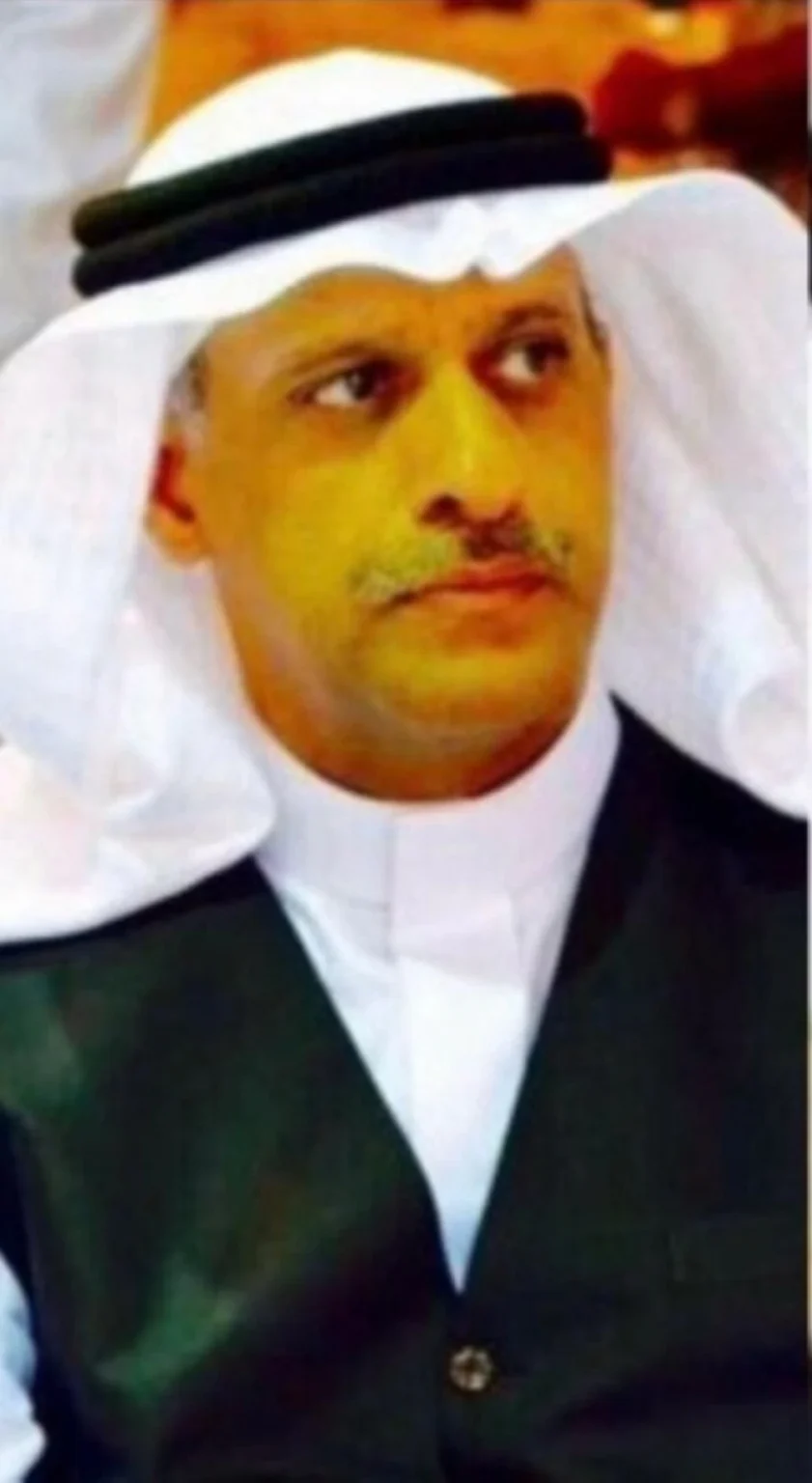
حين تروى سيرة المخلصين يبرز المستشار الإعلامي أحمد الغامدي (أبو عزام) كأحد الوجوه التي صنعت حضورها بعمل هادئ ورؤية واضحة ومسيرة تمتد لثلاثة عقود من البذل في قطاعات وطنية متعددة. لم تكن رحلته مجرد مشوار وظيفي، بل مسار إنساني ومهني تشكل عبر خبراته في الإعلام وخدمة ضيوف الرحمن وإدارة الاتصال المؤسسي في أهم الجهات الخدمية.
بدأ الغامدي مساره من قاعة الصحافة محرراً في القسم السياسي بصحيفة المدينة المنورة، حيث لم يكن قلمه ناقلاً للأخبار بقدر ما كان صوتاً مهنياً رصيناً يسعى لبناء الثقة مع القارئ. شكلت هذه التجربة حجر الأساس الذي انطلق منه نحو مجالات أوسع، فواصل الكتابة في عدد من الصحف المحلية، محافظاً على حضوره ككاتب اجتماعي قريب من الناس وتفاصيلهم.
وفي محطة مهمة، انتقل الغامدي إلى وزارة الحج ليخدم ضيوف الرحمن في واحدة من أكثر المهمات حساسية ودقة. تولى مسؤولية العلاقات العامة خلال مواسم الحج، وأسهم في تنظيم العمليات داخل صالة الحجاج بمطار الملك عبد العزيز، واضعاً راحة الحاج وكفاءة الخدمة في مقدمة أولوياته، مقدماً نموذجاً بارزاً في إدارة المواسم الكبرى.
أما محطته الأبرز فكانت في أمانة محافظة جدة، حيث شغل مناصب رئيسة في الإعلام والعلاقات العامة، وعمل مع نخبة من الأمناء، مسهماً في بناء إستراتيجيات اتصال حديثة وتعزيز الشفافية وتطوير قنوات التواصل بين الأمانة والمجتمع، بما يعكس تطلعات جدة في نموها وتحولها.
وفي وزارة الموارد البشرية والتنمية الاجتماعية واصل الغامدي دوره في البناء المؤسسي متنقلاً بين مهمات قيادية مؤثرة، بدءاً من مكتب الوزير مروراً بفرع الوزارة في منطقة مكة المكرمة وصولاً إلى دوره مستشاراً، حيث أسهم برؤاه في تحسين كفاءة العمل ومواءمته مع التوجهات الوطنية.
اليوم، ومع انتهاء خدمته الرسمية، لا يطوي أحمد الغامدي صفحة عطائه، بل يفتح فصلاً جديداً يقدم فيه خبرته ومشورته. فالمخلصون كما يردد أبو عزام لا يتقاعدون، لأن أثرهم يمتد في القلوب قبل المؤسسات، ولأن الأوطان تبنى بأمثالهم.
When the story of the devoted is told, media advisor Ahmed Al-Ghamdi (Abu Azzam) stands out as one of the figures who made his presence felt through quiet work, a clear vision, and a journey that spans three decades of giving in various national sectors. His journey was not merely a career path, but a human and professional trajectory shaped by his experiences in media, serving the guests of الرحمن, and managing institutional communication in the most important service entities.
Al-Ghamdi began his path in the press hall as an editor in the political section of Al-Madina newspaper, where his pen was not just a transmitter of news but rather a professional voice striving to build trust with the reader. This experience formed the cornerstone from which he launched into broader fields, continuing to write for several local newspapers while maintaining his presence as a social writer close to the people and their details.
In a significant station, Al-Ghamdi moved to the Ministry of Hajj to serve the guests of الرحمن in one of the most sensitive and precise missions. He took on the responsibility of public relations during the Hajj seasons, contributing to the organization of operations within the pilgrims’ hall at King Abdulaziz Airport, placing the comfort of the pilgrim and the efficiency of service at the forefront of his priorities, presenting an outstanding model in managing major seasons.
His most prominent station was at the Jeddah Municipality, where he held key positions in media and public relations, working with a select group of secretaries, contributing to the development of modern communication strategies, enhancing transparency, and improving communication channels between the municipality and the community, reflecting Jeddah’s aspirations for growth and transformation.
At the Ministry of Human Resources and Social Development, Al-Ghamdi continued his role in institutional building, moving between influential leadership tasks, starting from the minister’s office, passing through the ministry’s branch in the Makkah region, and reaching his role as an advisor, where he contributed his insights to improve work efficiency and align it with national directions.
Today, with the end of his official service, Ahmed Al-Ghamdi does not close the chapter of his contributions; instead, he opens a new one where he offers his experience and advice. For the devoted, as Abu Azzam often says, do not retire, because their impact extends in hearts before institutions, and because nations are built by people like them.