
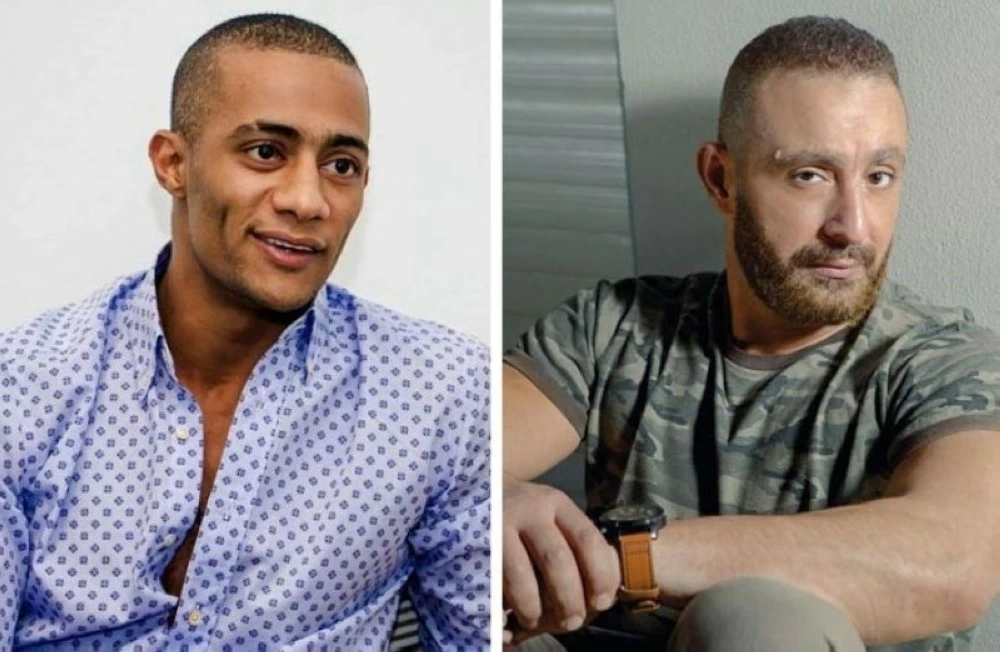
تشهد الساحة الفنية المصرية على وجه التحديد في الفترة الأخيرة ظاهرة غريبة وغير مألوفة، تتمثل في الصدام مع الجماهير وتصاعد لغة «الأنا» لدى بعض الفنانين، وتحولها من تعبير عابر عن الثقة إلى خطاب دائم يطغى على العمل الفني نفسه. المشكلة هنا ليست في الثقة بالنفس، بل في المبالغة أو ربما الغطرسة الفنية التي باتت حاضرة في التصريحات ومشاهد النجوم أكثر من حضورهم الفني.
فمن محمد رمضان، الذي اعتمد منذ سنوات خطاب «نمبر وان» بوصفه تعريفاً ثابتاً لموقعه الفني وما أحدثه من استفزاز جماهيري، قام فيه بإلغاءً فكرة المنافسة ضمنياً، وتصوير الساحة وكأنها خالية إلا من اسمه، إلى أحمد السقا، الذي وجد نفسه في دائرة نقد واسعة بعد تصريحات وإيحاءات قُرئت على أنها مبالغة في تمثُّل القوة والرمزية، خصوصاً عند ربط نفسه بشخصية تاريخية ودينية بحجم الصحابي خالد بن الوليد، سواء من حيث التشابه أو الكاريزما أو القدرة الجسدية. هذا الطرح لم يُستقبل بوصفه رأياً فنياً، بل عُدّ تجاوزاً غير محسوب، وأثار موجة سخرية وانتقاد، لأن المقارنة خرجت من الإطار التمثيلي إلى مساحة رمزية حساسة.
وقبلها جاءت واقعة الفيديو الذي ظهر فيه السقا موجّهاً رسالة لإدارة نادي ليفربول دفاعاً عن محمد صلاح. ورغم أن الدفاع عن لاعب مصري عالمي أمر مفهوم، إلا أن نبرة الخطاب وطريقة الظهور جعلت الرسالة تتحول إلى مادة جدل، ودفعت شريحة واسعة من الجمهور إلى التعامل معها بسخرية، باعتبار أن الفنان وضع نفسه في موقع أكبر من الحدث نفسه.
وفي السياق نفسه، لم تعد لغة «الأنا» حاضرة في التصريحات فقط، بل انعكست سلوكاً مباشراً في علاقة بعض الفنانين المصريين مع جمهورهم، وهو ما زاد من حالة النفور والانتقاد. فقد شهدت الفترة الأخيرة وقائع متكررة لتوترات علنية بين فنانين وجماهيرهم، من بينها حادثة التعدي المرتبطة بعمرو دياب، وصولاً إلى أحمد عبدالعزيز ومحمد صبحي ومواقف أخرى طالت فنانين، ظهر فيها الخطاب المتعالي أو ردّ الفعل الحاد بوصفه تعبيراً عن مسافة آخذة في الاتساع بين الفنان والمتلقي. هذه السلوكيات لم تُقرأ جماهيرياً كحوادث فردية، بل كنتاج مباشر لحالة مرفوضة جماهيرياً، ترى في الجمهور طرفاً أدنى لا شريكاً في النجاح، وهو ما قوبل برفض واضح وتراجع ملحوظ في منسوب التعاطف.
The Egyptian artistic scene, in particular, has recently witnessed a strange and unfamiliar phenomenon, characterized by clashes with audiences and an escalating sense of “self” among some artists, transforming from a fleeting expression of confidence into a constant discourse that overshadows the artistic work itself. The problem here is not self-confidence, but rather the exaggeration or perhaps the artistic arrogance that has become more present in statements and star appearances than their actual artistic presence.
From Mohamed Ramadan, who has relied for years on the “Number One” rhetoric as a fixed definition of his artistic position and the public provocation he has caused, implicitly canceling the idea of competition and portraying the scene as if it were empty except for his name, to Ahmed El Sakka, who found himself in a wide circle of criticism after statements and implications that were interpreted as an exaggeration in embodying strength and symbolism, especially when he linked himself to a historical and religious figure as significant as the companion Khalid ibn al-Walid, whether in terms of similarity, charisma, or physical ability. This proposition was not received as an artistic opinion, but rather considered an uncalculated transgression, sparking waves of mockery and criticism, as the comparison moved from the representational framework to a sensitive symbolic space.
Prior to this, there was the incident of the video in which El Sakka appeared, directing a message to the management of Liverpool FC in defense of Mohamed Salah. Although defending a global Egyptian player is understandable, the tone of the discourse and the manner of appearance turned the message into a subject of controversy, prompting a wide segment of the audience to respond with sarcasm, considering that the artist placed himself in a position greater than the event itself.
In the same context, the language of “self” is no longer present only in statements, but has also reflected a direct behavior in the relationship between some Egyptian artists and their audiences, which has increased feelings of alienation and criticism. Recently, there have been repeated incidents of public tensions between artists and their audiences, including the incident involving Amr Diab, extending to Ahmed Abdelaziz, Mohamed Sobhi, and other situations affecting artists, where the arrogant discourse or sharp reactions appeared as expressions of an expanding distance between the artist and the audience. These behaviors were not perceived by the public as individual incidents, but rather as a direct result of a publicly rejected condition, viewing the audience as a lesser party rather than a partner in success, which was met with clear rejection and a noticeable decline in the level of empathy.