
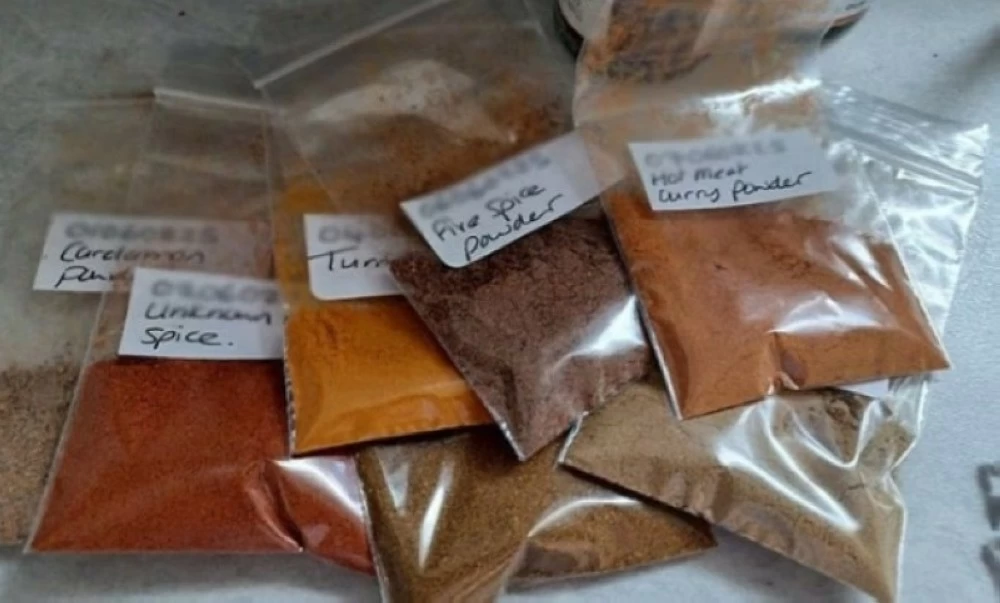
حذرت السلطات الصحية البريطانية، اليوم (الأربعاء)، المسافرين خلال موسم الأعياد من شراء التوابل من الخارج، بعد إصابة مواطن بريطاني بتسمم حاد بالرصاص بسبب كزبرة مطحونة جلبها من رحلة إلى جنوب شرق آسيا.
وبحسب صحيفة ديلي ميل، أصيب ساكن في منطقة نورثولت غرب لندن بارتفاع خطير في مستويات الرصاص في الدم، مما دفع مجلس إيلينغ ووكالة الأمن الصحي البريطانية إلى إجراء تحقيق مشترك لتحديد مصادر التعرض.
رصاص في كزبرة مطحونة
وكشفت التحاليل مستويات مرتفعة بشكل خطير من الرصاص في عينة من الكزبرة المطحونة التي جلبها المريض من رحلته، إذ بلغ تركيز الرصاص 3400 ملغ لكل كيلوغرام، مقارنة بالحد القانوني في بريطانيا الذي لا يتجاوز 0.9 ملغ/كغم، وهذا يعني أن تناول غرامين فقط من هذه الكزبرة الملوثة يكفي لتجاوز الحدود الآمنة للتعرض اليومي.
سوق شعبية في جنوب شرق آسيا
ويُعتقد أن الكزبرة اشتريت من سوق شعبية في جنوب شرق آسيا، حيث ينتشر غش التوابل بإضافة معادن ثقيلة سامة مثل الرصاص لتحسين اللون أو زيادة الوزن، خصوصاً في التوابل الحمراء أو البنية.
ضوابط صارمة على مستويات الرصاص في الطعام
وتفرض بريطانيا ضوابط صارمة على مستويات الرصاص في الطعام والماء والهواء، لكن المنتجات المستوردة قد تحمل مخاطر، وتشمل مصادر التعرض الأخرى الأدوية التقليدية، مستحضرات التجميل مثل الكحل، والأنابيب القديمة.
ولا يوجد مستوى آمن للتعرض للرصاص، الذي ينتقل إلى الأعضاء مثل الدماغ والكلى والكبد والعظام، وفي الحالات الشديدة، يسبب تشنجات وغيبوبة وحتى الموت، بينما في المستويات المنخفضة قد لا تظهر أعراض واضحة، لكنه يؤثر على نمو الدماغ لدى الأطفال، مما يقلل الذكاء ويسبب صعوبات تعلم وسلوكيات معادية للمجتمع، إضافة إلى فقر الدم وارتفاع الضغط ومشكلات الكلى والمناعة والخصوبة وبعض السرطانات.
ويُعد الأطفال والحوامل الأكثر عرضة، إذ يمتص الأطفال حتى 5 أضعاف الكمية مقارنة بالبالغين.
The British health authorities warned travelers during the holiday season today (Wednesday) against purchasing spices from abroad, after a British citizen suffered acute lead poisoning due to ground coriander brought back from a trip to Southeast Asia.
According to the Daily Mail, a resident of Northolt in West London experienced dangerously high levels of lead in his blood, prompting Ealing Council and the UK Health Security Agency to conduct a joint investigation to determine the sources of exposure.
Lead in Ground Coriander
Tests revealed dangerously high levels of lead in a sample of the ground coriander that the patient brought back from his trip, with a concentration of 3400 mg per kilogram, compared to the legal limit in the UK of no more than 0.9 mg/kg. This means that consuming just two grams of this contaminated coriander is enough to exceed the safe daily exposure limits.
Popular Market in Southeast Asia
The coriander is believed to have been purchased from a popular market in Southeast Asia, where spice adulteration is common, with toxic heavy metals like lead added to enhance color or increase weight, especially in red or brown spices.
Strict Controls on Lead Levels in Food
The UK imposes strict controls on lead levels in food, water, and air, but imported products may carry risks. Other sources of exposure include traditional medicines, cosmetics such as kohl, and old pipes.
There is no safe level of lead exposure, which can affect organs such as the brain, kidneys, liver, and bones. In severe cases, it can cause seizures, coma, and even death, while at lower levels, symptoms may not be obvious, but it affects brain development in children, reducing intelligence and causing learning difficulties and antisocial behaviors, as well as anemia, high blood pressure, kidney and immune issues, fertility problems, and some cancers.
Children and pregnant women are particularly vulnerable, as children absorb up to five times the amount compared to adults.