
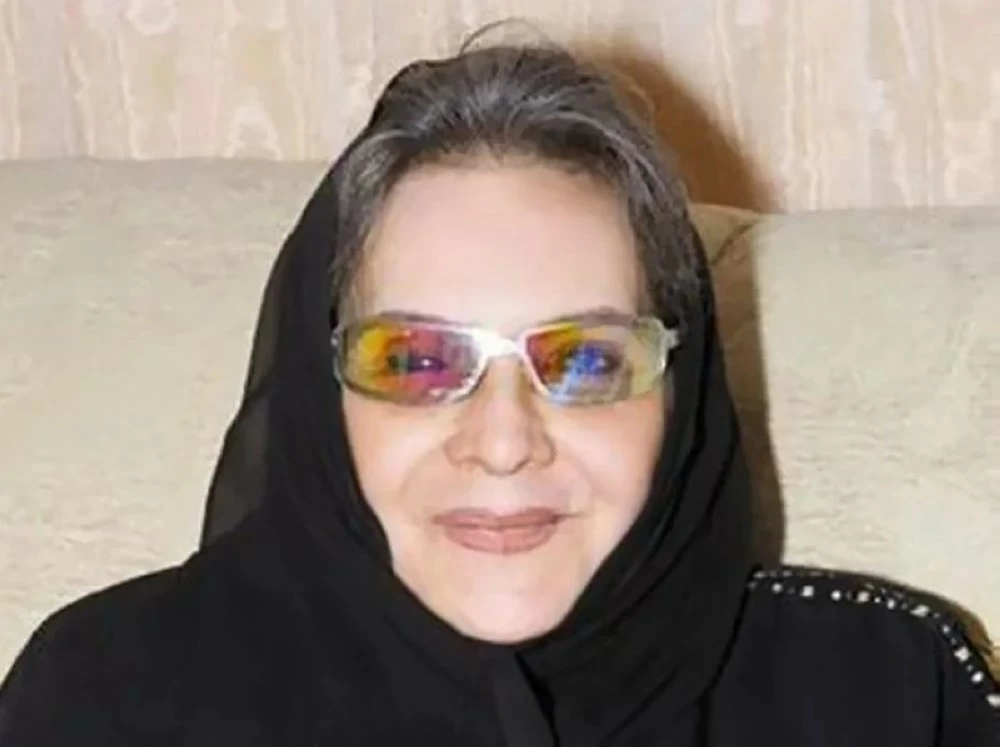
رحلت اليوم شاعرة الوجدانيات ثريا قابل،إثر متاعب صحية، لازمتها منذ أعوام عدة؛ ولعل الراحل محمد حسن عواد لم يبالغ عندما وصفها بخنساء القرن العشرين؛ عقب صدور ديوانها الفصيح الأول (الأوزان الباكية) في بيروت عام 1963؛ والراحلة عملت بالصحافة، و سطّرت خلال مسيرتها أعذب كلمات العتب المهذّب؛ وارتبط اسمها بأشهر شارع تجاري في قلب مدينة جدة.
ولدت الشاعرة في بيت قابل الكبير، في حارة المظلوم، وفقدت والدها مبكرًا، فتولت عمتها (عديلة قابل) تربيتها ورعايتها، وأكملت تعليمها و تحصلت على شهادة الكلية الأهلية من بيروت. وتولت عدداً من المهام الصحفية، محررة في صحف عكاظ والرياض، وكاتبة زاوية في الصحف المحلية، ورئيسة لتحرير مجلة «زينة» في الفترة (1986-1987). وكتبت مقالات في صحف قريش المكية، والبلاد السعودية، والأنوار اللبنانية في حقبة الستينات.
وذاعت كلماتها الغنائية عربيّاً، وعبّرت بانتماء عن البيئة الحجازية؛ ولذا لُقّبت بصوت جدة، وشكّلت مع الراحل فوزي محسون، ثنائياً فنيّاً، ومن أشهر الأعمال: «من بعد مزح ولعب» و«جاني الاسمر جاني» و«حبيّب يا حبيّب» و«يا من بقلبي غلا» وتغنّى الراحل طلال مداح بكلماتها الخالدة «اديني عهد الهوى» و«تمنيت من الله» وكانت الشاعرة الأكثر جرأة في عصرها، إذ حضرت باسمها الصريح من أول إطلالة لها على مسرح الإبداع.
Today, the poet of emotions, Thuraya Qabil, passed away after suffering from health issues that had plagued her for several years; perhaps the late Mohammed Hassan Awad was not exaggerating when he described her as the “Khansa of the twentieth century” following the release of her first eloquent poetry collection (The Weeping Weights) in Beirut in 1963; the late poetess worked in journalism and penned the sweetest words of polite reproach throughout her career; her name became associated with the most famous commercial street in the heart of Jeddah.
The poetess was born in the large Qabil house, in the Al-Mazloom neighborhood, and lost her father at an early age, so her aunt (Adila Qabil) took over her upbringing and care. She completed her education and obtained a degree from the private college in Beirut. She held several journalistic roles, serving as an editor for the newspapers Okaz and Al-Riyadh, writing a column in local newspapers, and was the editor-in-chief of the magazine “Zina” during the period (1986-1987). She wrote articles for the Quraish newspaper in Mecca, Al-Bilad in Saudi Arabia, and Al-Anwar in Lebanon during the 1960s.
Her lyrical words became widely known in the Arab world, expressing her belonging to the Hijazi environment; thus, she was nicknamed the Voice of Jeddah, and she formed an artistic duo with the late Fawzi Mahsoon. Some of her most famous works include: “After Joking and Playing,” “The Dark One Came to Me,” “My Beloved, O My Beloved,” and “O You Who Are Dear to My Heart.” The late Talal Maddah sang her immortal words “Give Me the Promise of Love” and “I Wished from God.” The poetess was the boldest in her era, as she made her name known from her very first appearance on the stage of creativity.