
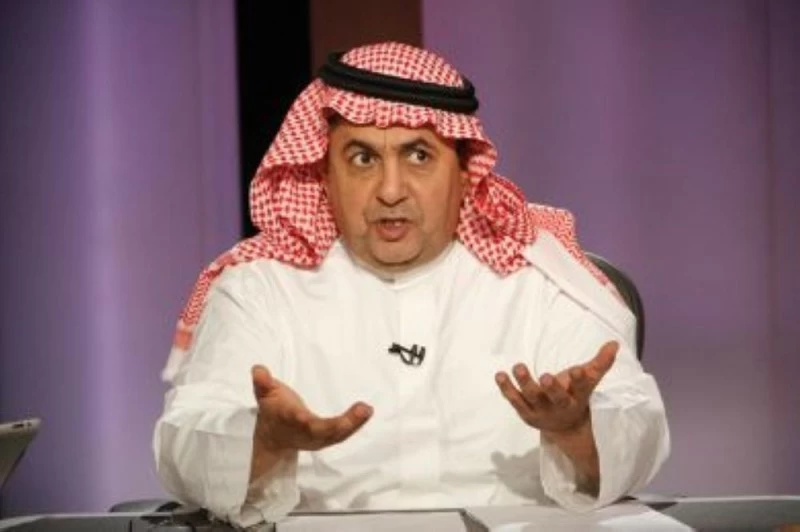
أعاد الإعلامي داود الشريان فتح ملف القصيدة الشعبية، بهجوم على واقعها الراهن، معتبرًا أن غياب الأسماء الكبرى التي شكّلت وجدان الشعر النبطي ترك فراغًا لم يُملأ، بل تحوّل – برأيه – إلى انحدار في اللفظ والمعنى، حتى بات «المديح يحرج الممدوح، والقصيدة تستحي من نفسها قبل أن يستحي منها السامع».
حديث الشريان لم يكن عابرًا، بل استند إلى مقارنة بين جيلٍ صاغ القصيدة بوصفها قيمة فنية وأخلاقية، وجيلٍ آخر – كما يرى – انشغل بالانتشار على حساب الجودة.
وقال في نص منشوره على منصة X: «بغياب وابتعاد أسماء مثل محمد بن لعبون وراكان بن حثلين ومحمد الأحمد السديري وخلف بن هذال وعبدالله بن عون وسعد بن جدلان ومساعد الرشيدي وخالد الفيصل وبدر بن عبدالمحسن وغيرهم، انحدر الشعر النبطي لفظًا ومعنى حتى صار المديح يحرج الممدوح والقصيدة تستحي من نفسها قبل أن يستحي منها السامع».
واستحضر هؤلاء بوصفهم مدارس قائمة بذاتها، لكل منهم نبرة خاصة، ومفردة راسخة، وموقف شعري يتجاوز المناسبة إلى المعنى العميق.
وجاء حديثه في سياق تناوله للتحولات التي شهدها المشهد الشعري، مشيرًا إلى أن حضور تلك الأسماء كان يمثل معيارًا عاليًا في المفردة وبناء المعنى، وأن ابتعادها ترك أثرًا واضحًا على مستوى النص الشعري المتداول اليوم.
تصريحات الشريان أعادت النقاش حول واقع القصيدة الشعبية، وحدود المديح فيها، ومستوى اللغة والمعنى، في ظل غياب رموز ارتبط اسمها بتاريخ الشعر النبطي في المملكة!
The media figure Dawood Al-Sharyan reopened the file on popular poetry, attacking its current reality, considering that the absence of the major names that shaped the essence of Nabati poetry has left a void that has not been filled, but rather – in his opinion – has turned into a decline in both expression and meaning, to the point that “praise embarrasses the praised, and the poem is ashamed of itself before the listener is ashamed of it.”
Al-Sharyan’s remarks were not fleeting; they were based on a comparison between a generation that shaped poetry as an artistic and moral value, and another generation – as he sees it – that has been preoccupied with popularity at the expense of quality.
He stated in a post on platform X: “With the absence and distancing of names like Mohammed bin Laboun, Rakan bin Hathlin, Mohammed Al-Ahmad Al-Sudairy, Khalaf bin Hithal, Abdullah bin Aoun, Saad bin Jadlan, Musaad Al-Rasheedi, Khalid Al-Faisal, Badr bin Abdul Mohsen, and others, Nabati poetry has declined in both expression and meaning to the point that praise embarrasses the praised and the poem is ashamed of itself before the listener is ashamed of it.”
He recalled these figures as established schools in their own right, each with a unique tone, a solid vocabulary, and a poetic stance that transcends the occasion to reach deep meaning.
His comments came in the context of discussing the transformations that the poetic scene has witnessed, pointing out that the presence of those names represented a high standard in vocabulary and meaning construction, and that their absence has left a clear impact on the level of the poetic texts circulated today.
Al-Sharyan’s statements have reignited the discussion about the reality of popular poetry, the limits of praise within it, and the level of language and meaning, in light of the absence of symbols whose names are associated with the history of Nabati poetry in the Kingdom!