
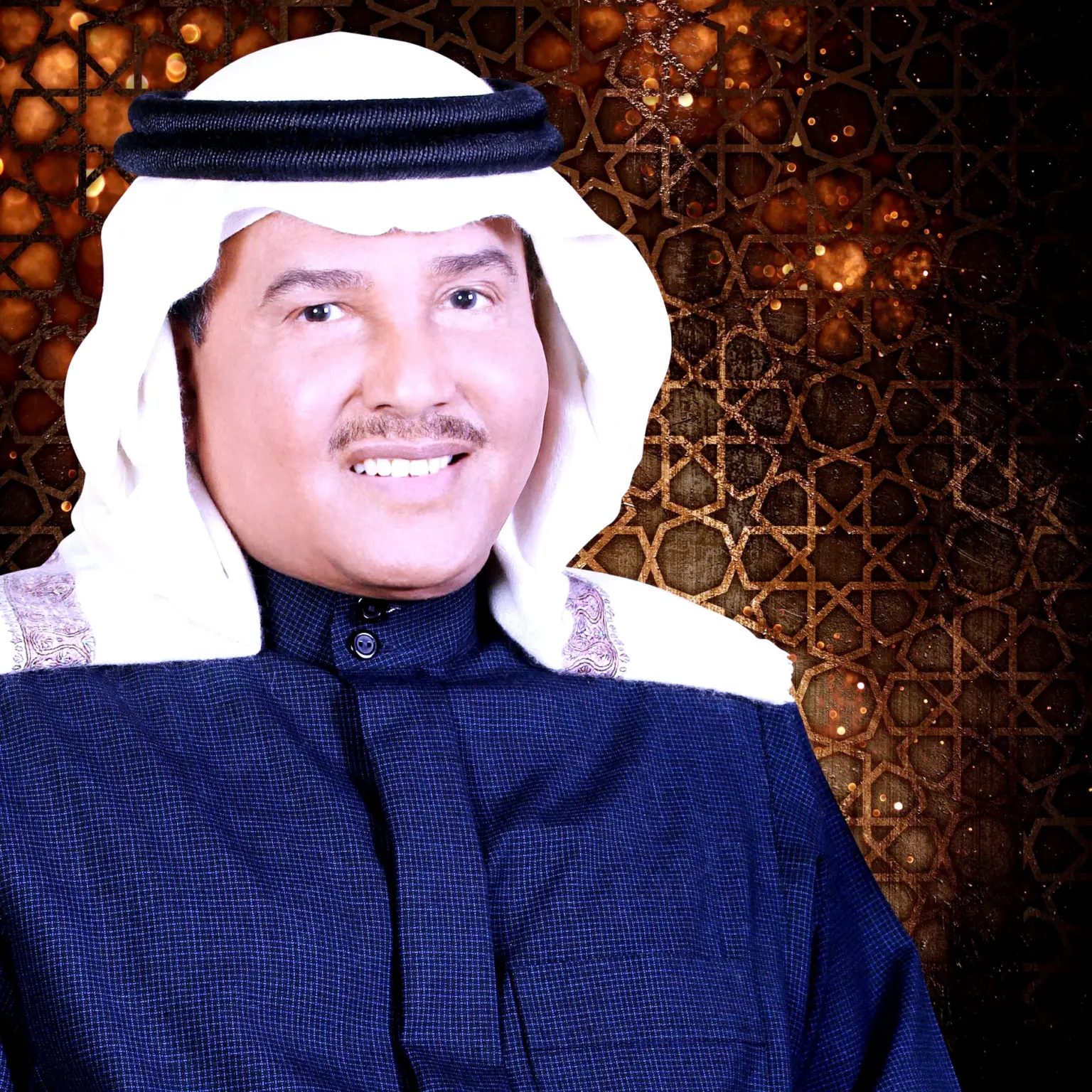
في اليوم العالمي للفن، يتقدّم اسم محمد عبده بوصفه الذاكرة الحيّة للفن السعودي، وصوته الأكثر حضورًا وتأثيرًا حتى اليوم؛ ليس كفنانٍ عابر، بل كحالةٍ صنعت معيارًا يصعب تجاوزه.
لم تكن بداياته عادية؛ وُلد في بيئة قاسية، وعاش اليُتم مبكرًا، متنقّلًا بين الفقد ومسؤوليات الحياة، لكن تلك القسوة لم تُطفئ صوته، بل صقلته. منذ انطلاقته في ستينيات القرن الماضي، بأعماله الأولى مثل «خاصمت عيني من سنين» و«الرمش الطويل»، كان واضحًا أن هذا الصوت لا يبحث عن شهرة، بل عن مكانة. ومع تعاونه المبكر مع أسماء شعرية كالأمير خالد الفيصل، تشكّل وعي فني مختلف، قائم على الكلمة العميقة واللحن المتقن.
عرف عنه انغماسه الكامل في تفاصيل العمل؛ لا يمرّ لحن دون تمحيص، ولا تُغنّى كلمة دون اقتناع. تلك الصرامة جعلت من أعماله مثل «الأماكن»، «ليلة خميس»، و«مذهلة» ورائعته الأشهر صوتك يناديني علامات فارقة، لا في السعودية فحسب، بل في الوجدان العربي. علاقاته الفنية لم تكن عابرة؛ شراكات ممتدة مع ملحنين وشعراء كبار، صنعت مشهدًا متكاملًا، كان هو أحد أعمدته الأساسية.
اليوم، لا يُقاس تأثير محمد عبده بعدد الحفلات أو الألبومات، بل بقدرته على البقاء معيارًا. أجيال كاملة تشكّلت ذائقتها على صوته، وفنانون كُثر مرّوا، لكنه ظلّ الثابت الأبرز. في سجلّ الفن السعودي يبدو اسمه كمرجعية لا كمرحلة.
في يوم الفن العالمي، لا يُستدعى محمد عبده للتكريم فقط، بل للتذكير بأن الفن، حين يُصنع بإخلاص يتحول إلى قيمة لا إلى مهنة.
On World Art Day, the name Mohammed Abdu stands out as the living memory of Saudi art, and his voice remains the most present and influential to this day; not as a passing artist, but as a phenomenon that has set a standard that is hard to surpass.
His beginnings were not ordinary; he was born into a harsh environment and experienced orphanhood early on, moving between loss and the responsibilities of life, but that harshness did not extinguish his voice; rather, it refined it. Since his debut in the 1960s, with his early works like “My Eyes Have Been at Odds for Years” and “The Long Eyelash,” it was clear that this voice was not seeking fame, but rather a place of significance. With his early collaborations with poetic figures like Prince Khalid Al-Faisal, a different artistic awareness emerged, based on deep lyrics and intricate melodies.
He is known for his complete immersion in the details of his work; no melody passes without scrutiny, and no word is sung without conviction. This rigor has made his works like “The Places,” “Thursday Night,” and “Amazing,” along with his most famous masterpiece “Your Voice Calls Me,” significant landmarks, not only in Saudi Arabia but in the Arab consciousness. His artistic relationships were not fleeting; they were extended partnerships with major composers and poets, creating a complete scene, of which he was one of the main pillars.
Today, Mohammed Abdu’s influence is not measured by the number of concerts or albums, but by his ability to remain a standard. Entire generations have shaped their tastes around his voice, and many artists have come and gone, yet he remains the most prominent constant. In the record of Saudi art, his name appears as a reference rather than a phase.
On World Art Day, Mohammed Abdu is not only summoned for recognition but also to remind us that art, when created with sincerity, transforms into a destiny rather than just a profession.