
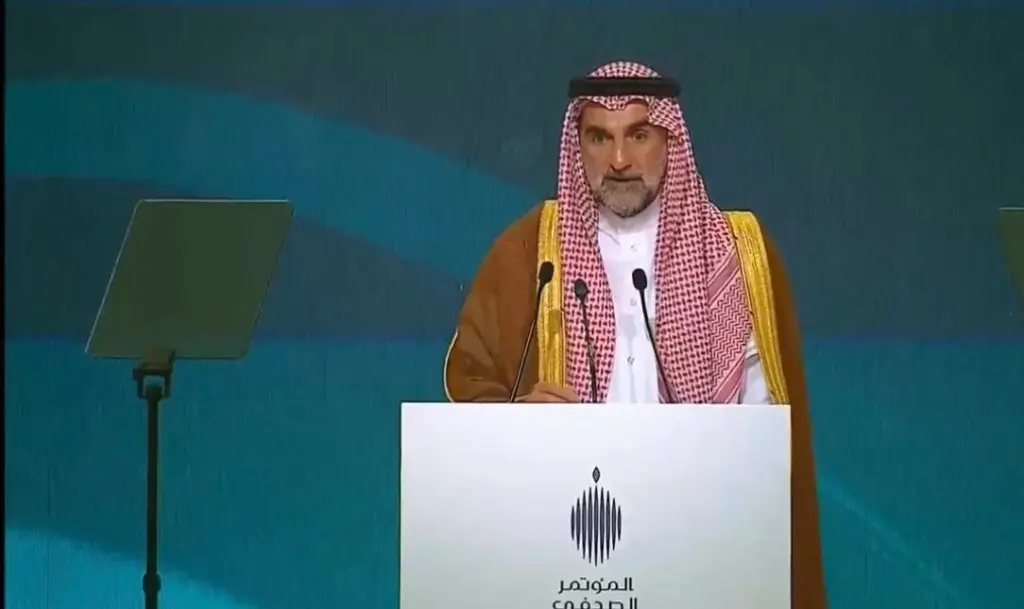
كشف محافظ صندوق الاستثمارات العامة ياسر الرميان أن الصندوق لم يُلغِ أي مشروع ضمن نيوم، وأشار إلى التوجيه لإعادة ترتيب أولويات الإنفاق بما يتماشى مع كفاءة التمويل وتحقيق المستهدفات.
وأوضح خلال المؤتمر الصحفي الحكومي المخصص لعرض إستراتيجية الصندوق 2026 – 2030، أن مشروع ذا لاين لا يمثل نيوم بالكامل، بل هو أحد مكوناتها.
وأكد أهمية التمييز بين المشاريع الأساسية والعناصر الداعمة، مع اعتبار منطقة أوكساغون ركيزة محورية نظراً لتأثيرها الاقتصادي الكبير.
وأفاد أن تصنيف نيوم كمنظومة مستقلة ضمن الإستراتيجية الجديدة يعكس عمق الالتزام بتطوير المشروع وإنجاحه، باعتباره أحد أبرز محركات التحول الاقتصادي في المملكة.
تعزيز كفاءة التمويل وجذب الاستثمارات
وبيّن الرميان أن المرحلة القادمة تستهدف تقليل الاعتماد المالي على الصندوق، عبر تعزيز كفاءة التمويل وجذب الاستثمارات الأجنبية، إضافة إلى تمكين القطاع الخاص المحلي والدولي من المشاركة في المشاريع الكبرى.
وذكر أن إعادة ترتيب الاستثمارات عملية مستمرة، مدفوعة بتحولات مثل الذكاء الاصطناعي وتغير الأولويات الاقتصادية.
وأكد الرميان أن تداعيات الحرب الراهنة تمتد إلى الاقتصاد الدولي، مع ارتفاع أسعار النفط والشحن والتأمين والغذاء، إلى جانب اضطرابات سلاسل الإمداد التي أثرت على قطاعات صناعية وتقنية، منها الرقائق الإلكترونية.
وشدد على أن إستراتيجية الصندوق طويلة الأجل ولا تتأثر بالمتغيرات المرحلية، إذ تمتد حتى عام 2030، مع مراجعات دورية مرنة للأولويات الاستثمارية.
الحرب تفرض إعادة تموضع بعض الاستثمارات
وحول تأثير الحرب على الاستثمارات والصفقات الخارجية، قال الرميان: “إن الصندوق يقوم بمراجعة مستمرة وديناميكية لجميع الاستثمارات والأولويات، سواء في ظل الحرب أو خارجها، وإعادة التقييم جزء أصيل من منهجية العمل الاستثماري للصندوق”.
ولفت إلى أن هذه المراجعات لا تعني بالضرورة إلغاء استثمار بعينه أو استبداله فوراً بآخر، لكنها تعكس إدارة مرنة للأولويات وفق المعطيات الاقتصادية والجيوسياسية.
وأشار إلى أن وجود الحرب يفرض بطبيعة الحال ضغطاً أكبر على عملية إعادة التموضع لبعض الاستثمارات.
وأكد أن الصندوق يواصل العمل وفق إستراتيجيته طويلة الأجل، مع الحفاظ على القدرة على التكيف مع المستجدات، بما يضمن تحقيق مستهدفاته وتعزيز دوره في دعم الاقتصاد السعودي وتنويع مصادر الدخل، رغم التحديات العالمية الراهنة.
تحويل 13 قطاعاً إلى 6 منظومات اقتصادية
وأضاف: “الصندوق يعمل كمستثمر تنموي يوازن بين العائد المالي والأثر الاقتصادي، حيث أسهم منذ تأسيسه في تطوير قطاعات حيوية، قبل أن يشهد تحولاً نوعياً بعد 2015 نحو دمج الاستدامة المالية مع الأهداف التنموية، كما قاد إطلاق مشاريع كبرى مثل مشروع البحر الأحمر والقدية، وأسهم في خلق فرص عمل وتعزيز الشراكات.
وأشار إلى أن إستراتيجية 2026-2030 تركز على تحويل 13 قطاعاً إلى 6 منظومات اقتصادية متكاملة، عبر ثلاث محافظ استثمارية تشمل الاستثمارات الإستراتيجية والمالية ومحفظة الرؤية، بهدف تعظيم الأثر الاقتصادي وتنويع مصادر الدخل.
صفقات بـ250 مليار دولار وتوفير 12 ألف وظيفة
وفي القطاع الرياضي، كشف الرميان قرب الإعلان عن بيع حصة الصندوق في أحد الأندية، مؤكداً أن الهدف من الاستثمار كان تحسين الحوكمة والاستدامة المالية، مع ارتفاع إيرادات المباريات بنسبة 120%، والتوجه مستقبلاً للتخارج الجزئي.
وعلى صعيد الأثر الاقتصادي، أوضح أن الصندوق أسهم بنحو ثلث نمو الناتج غير النفطي بين 2021 و2024، ووفّر 12 ألف وظيفة في التصميم الهندسي في إطار جهوده لدعم سوق العمل وتعزيز فرص التوظيف في القطاعات النوعية.
ولفت إلى أن مبادرة مستقبل الاستثمار، منذ انطلاقها، شهدت عقد صفقات واتفاقيات تتجاوز قيمتها 250 مليار دولار، ما يعكس حجم الحضور الاستثماري للمملكة على الساحة الدولية وجاذبية بيئة الاستثمار، وتنامي دور الصندوق في دعم الاقتصاد الوطني وتعزيز حضوره العالمي.
The Governor of the Public Investment Fund, Yasir Al-Rumayyan, revealed that the fund has not canceled any projects within NEOM, and he pointed to the directive to rearrange spending priorities in line with financing efficiency and achieving targets.
He explained during the government press conference dedicated to presenting the fund’s strategy for 2026 – 2030 that the Line project does not represent NEOM in its entirety but is one of its components.
He emphasized the importance of distinguishing between core projects and supporting elements, considering the Oxagon area as a pivotal cornerstone due to its significant economic impact.
He stated that classifying NEOM as an independent system within the new strategy reflects a deep commitment to developing and succeeding the project, as it is one of the main drivers of economic transformation in the Kingdom.
Enhancing Financing Efficiency and Attracting Investments
Al-Rumayyan indicated that the upcoming phase aims to reduce financial dependence on the fund by enhancing financing efficiency and attracting foreign investments, in addition to enabling the local and international private sector to participate in major projects.
He mentioned that the rearrangement of investments is an ongoing process, driven by transformations such as artificial intelligence and changing economic priorities.
Al-Rumayyan confirmed that the repercussions of the current war extend to the international economy, with rising oil, shipping, insurance, and food prices, alongside supply chain disruptions that have affected industrial and technological sectors, including semiconductors.
He stressed that the fund’s long-term strategy is not affected by temporary changes, extending until 2030, with flexible periodic reviews of investment priorities.
The War Necessitates Repositioning Some Investments
Regarding the impact of the war on investments and foreign deals, Al-Rumayyan said: “The fund is conducting continuous and dynamic reviews of all investments and priorities, whether during the war or outside it, and re-evaluation is an integral part of the fund’s investment methodology.”
He pointed out that these reviews do not necessarily mean canceling a specific investment or immediately replacing it with another, but they reflect a flexible management of priorities according to economic and geopolitical data.
He noted that the existence of war naturally imposes greater pressure on the repositioning process of some investments.
He confirmed that the fund continues to work according to its long-term strategy while maintaining the ability to adapt to new developments, ensuring that it achieves its targets and enhances its role in supporting the Saudi economy and diversifying income sources, despite current global challenges.
Transforming 13 Sectors into 6 Economic Systems
He added: “The fund operates as a developmental investor balancing financial returns and economic impact, having contributed since its inception to the development of vital sectors, before witnessing a qualitative shift after 2015 towards integrating financial sustainability with developmental goals, as well as leading the launch of major projects such as the Red Sea Project and Qiddiya, and contributing to job creation and enhancing partnerships.
He pointed out that the 2026-2030 strategy focuses on transforming 13 sectors into 6 integrated economic systems through three investment portfolios that include strategic and financial investments and the Vision Fund, aiming to maximize economic impact and diversify income sources.
Deals Worth $250 Billion and Creating 12,000 Jobs
In the sports sector, Al-Rumayyan revealed that the announcement of the sale of the fund’s stake in one of the clubs is imminent, confirming that the goal of the investment was to improve governance and financial sustainability, with match revenues increasing by 120%, and the future direction towards partial exit.
Regarding the economic impact, he clarified that the fund contributed to about a third of non-oil GDP growth between 2021 and 2024, providing 12,000 jobs in engineering design as part of its efforts to support the labor market and enhance employment opportunities in quality sectors.
He noted that the Future Investment Initiative, since its launch, has witnessed deals and agreements exceeding $250 billion, reflecting the scale of the Kingdom’s investment presence on the international stage and the attractiveness of the investment environment, as well as the growing role of the fund in supporting the national economy and enhancing its global presence.