
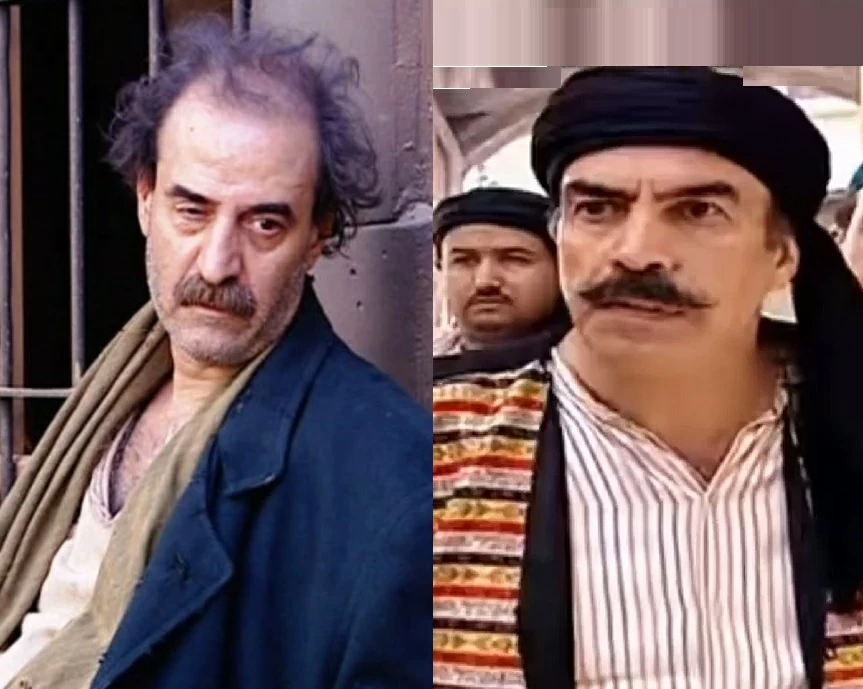
أثار الفنان السوري علي كريم، الذي جسد شخصية أبو النار في المسلسل الشهير باب الحارة، حالة من الجدل عبر وسائل التواصل الاجتماعي، بعد تصريحاته التي تناول فيها زميله الفنان بسام كوسا، واعتبرها كثيرون تحمل تقليلاً من قيمة ومسيرة أحد أبرز وجوه الدراما السورية.
النجوم الكبار
وقال كريم في تصريحات إعلامية: «الأدوار التي جسدها بسام كوسا خلال مسيرته الفنية، رغم تنوعها واجتهاده فيها، لم تصل إلى مستوى التعقيد والعمق الذي يضع الفنان ضمن خانة النجوم الكبار في التمثيل”.
جودة الأداء
وأضاف: «لا أنفي جودة أداء كوسا كممثل، إلا أن هناك فرقاً بين جودة الأداء والقدرة على تجسيد شخصيات ذات بنية نفسية معقدة ومركبة»، معتبراً أن هذا النوع من الأدوار هو المعيار الأهم في تقييم التجربة الفنية للممثل.
ولم تقتصر تصريحات كريم على زميله فحسب، بل امتدت لتشمل الدراما السورية بشكل عام، إذ أشار إلى وجود ضعف واضح في بناء الشخصيات وافتقارها للعمق النفسي مقارنة بما يقدم في بعض الأعمال العربية والعالمية، على حد وصفه.
تقييد الإبداع
وقال: «عدد كبير من الشخصيات التي ظهرت في الأعمال السورية خلال السنوات الماضية لم تبن على أسس نفسية متماسكة»، وهو ما اعتبره سبباً في تقييد مساحة الإبداع لدى الممثلين ودفعهم أحياناً نحو التكرار والنمطية في الأداء، منتقداً تفاوت أجور بعض نجوم الدراما السورية، مشيراً إلى أن ارتفاع الأجور في بعض الحالات لا يعكس بالضرورة القيمة الفنية الحقيقية، بل يرتبط أحياناً بعوامل التسويق والعلاقات داخل الوسط الفني أكثر من ارتباطه بجودة الأداء أو عمق التجربة الفنية.
The Syrian artist Ali Karim, who portrayed the character Abu Al-Nar in the famous series Bab Al-Hara, sparked a controversy on social media following his statements regarding his colleague, the artist Bassam Kousa. Many considered his remarks to undermine the value and career of one of the most prominent faces of Syrian drama.
The Great Stars
Karim stated in media remarks: “The roles that Bassam Kousa has played throughout his artistic career, despite their diversity and his efforts in them, have not reached the level of complexity and depth that places an artist among the great stars of acting.”
Quality of Performance
He added: “I do not deny the quality of Kousa’s performance as an actor, but there is a difference between the quality of performance and the ability to portray characters with complex and intricate psychological structures,” considering that this type of role is the most important criterion in evaluating an actor’s artistic experience.
Karim’s statements were not limited to his colleague alone, but extended to Syrian drama in general, as he pointed to a clear weakness in character development and a lack of psychological depth compared to what is presented in some Arab and international works, as he described.
Restricting Creativity
He said: “A large number of characters that appeared in Syrian works over the past years were not built on coherent psychological foundations,” which he considered a reason for restricting the space for creativity among actors and sometimes pushing them towards repetition and stereotypical performances. He criticized the disparity in the salaries of some Syrian drama stars, noting that high salaries in some cases do not necessarily reflect true artistic value, but are sometimes linked to marketing factors and relationships within the artistic community more than to the quality of performance or the depth of the artistic experience.