
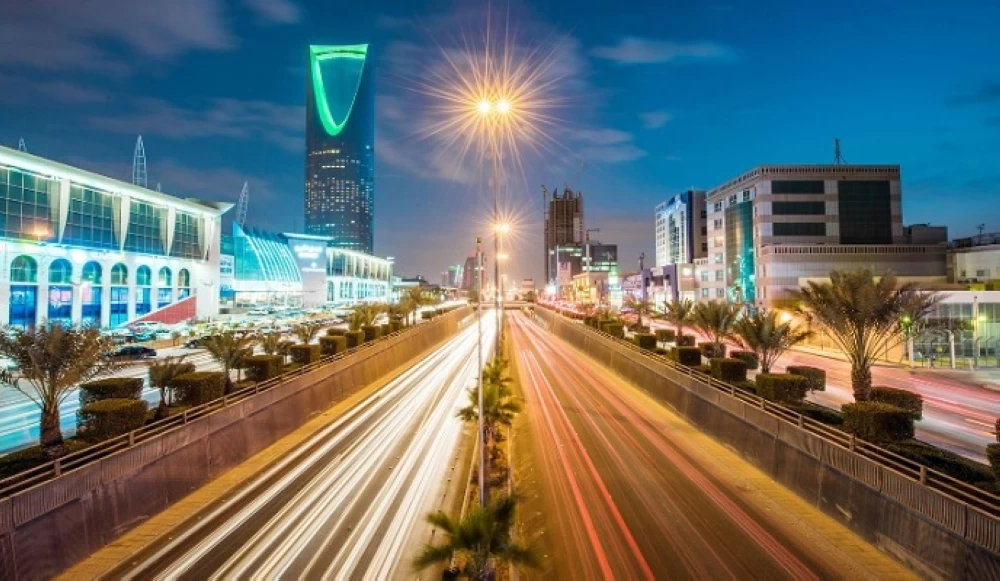
كشفت مجلة فوربس أن الاقتصاد السعودي لم يعد رهينة النفط وحده، مؤكدة أن المملكة سجّلت في عام 2025 نموًا قويًا بلغ 4.5%، لترتفع قيمة الناتج المحلي إلى نحو 1.3 تريليون دولار، مدفوعًا بزخم الأنشطة غير النفطية رغم قيود إنتاج «أوبك+».
وأوضحت أن السعودية تُظهر اليوم مزيجًا متماسكًا من القوة المالية والمرونة الهيكلية واتساع البنية التحتية، وهي عوامل تعزّز ثقة المستثمرين العالميين وتدعم صانعي القرار في الرياض.
قاعدة اقتصادية صلبة
بحسب التقرير، عكست المؤشرات الكلية أداءً متوازنًا، إذ سجّل الناتج المحلي الإجمالي الحقيقي نموًا بنسبة 4.5% متجاوزًا التوقعات، مع وصول الناتج الاسمي إلى نحو 1.3 تريليون دولار. ورغم استمرار أهمية الأنشطة النفطية التي نمت بنسبة 5.7% وأسهمت بنحو 17.1% من الاقتصاد، إلا أن الزخم الأكبر جاء من الأنشطة غير النفطية التي ارتفعت بنسبة 4.9% لتستحوذ على ما يقارب 82.9% من الناتج، في دلالة واضحة على تسارع وتيرة التنويع.
وعلى صعيد الميزانية العامة، بلغ العجز نحو 6% من الناتج المحلي، أي ما يعادل 73.7 مليار دولار، متأثرًا بتراجع أسعار النفط، لكنه بقي ضمن نطاق السيطرة، فيما استقر الدين العام عند 31.7% من الناتج، ليظل من بين الأدنى مقارنة بالاقتصادات الناشئة، ما يعكس نهجًا ماليًا محافظًا يمنح المملكة مرونة واسعة في الإنفاق والاستثمار دون الإخلال بالاستدامة.
قوة مالية تقود التحول
في قلب هذه المنظومة، يبرز صندوق الاستثمارات العامة كأحد أبرز محركات التحول، بعد أن تضاعفت أصوله عدة مرات لتتجاوز 918 مليار دولار بنهاية 2025، ليصبح من أسرع الصناديق السيادية نموًا عالميًا والداعم الرئيس لمستهدفات «رؤية 2030».
وفي السياق ذاته، واصل القطاع المصرفي توسعه القوي، إذ ارتفعت أصوله إلى نحو 1.35 تريليون دولار مطلع عام 2026، مدفوعة بنمو الائتمان الموجه للقطاع الخاص. كما شهدت الاستثمارات الأجنبية المباشرة قفزة ملحوظة، حيث ارتفعت خلال عام 2025 بنحو 53% لتصل إلى 32.6 مليار دولار، مع تسارع لافت في الربع الرابع الذي سجل نموًا بنسبة 90%، في مؤشر واضح على تنامي ثقة المستثمرين الدوليين.
وتعزز هذه المؤشرات احتياطيات البنك المركزي السعودي التي بلغت نحو 476 مليار دولار، ما يوفر دعامة قوية للاستقرار النقدي.
طفرة بنية تحتية غير مسبوقة
أكد التقرير أن المملكة تقود واحدًا من أكبر برامج البناء في العالم، مع ترسية عقود مشاريع عملاقة بقيمة 196 مليار دولار خلال 2025، بزيادة ملحوظة عن العام السابق، في وقت تجاوزت فيه قيمة المشاريع قيد التنفيذ حاجز 800 مليار دولار.
وتبرز في هذا السياق مشاريع نوعية كبرى مثل نيوم وبوابة الدرعية والبحر الأحمر العالمية، التي تمضي وفق جداولها الزمنية، بالتوازي مع تطوير واسع في قطاعي النقل والخدمات اللوجستية، بما في ذلك توسعات ميناء جدة الإسلامي ومشاريع المطارات الدولية، بما يعزز طموح المملكة للتحول إلى مركز لوجستي عالمي.
تنويع يعزز المرونة
تشير «فوربس» إلى أن مؤشرات التنويع تعكس تحولًا هيكليًا عميقًا، إذ بلغت الإيرادات غير النفطية مستوى قياسيًا عند 134.7 مليار دولار، بما يعادل نحو 45.5% من إجمالي الإيرادات الحكومية، فيما ارتفعت مساهمة القطاع الخاص إلى قرابة 48% من الناتج المحلي، ليصبح المحرك الرئيس للنمو غير النفطي.
وعلى مستوى سوق العمل، يواصل القطاع الخاص استيعاب النسبة الأكبر من القوى العاملة، مع ارتفاع متزايد في توظيف السعوديين، في وقت بلغ فيه معدل البطالة نحو 3.5% بنهاية 2025، ما يعكس تحسنًا مستمرًا في المؤشرات الاجتماعية والاقتصادية.
كما تؤكد تدفقات الاستثمار الأجنبي المتصاعدة أن الإصلاحات الاقتصادية لم تعد مجرد خطط، بل تحولت إلى واقع يجذب رؤوس الأموال العالمية رغم التحديات الدولية.
اقتصاد جديد يتشكل
خلص التقرير إلى أن تكامل قوة الصناديق السيادية، ونمو القطاع المصرفي، وتدفق الاستثمارات، وضخامة المشاريع، يشكّل قاعدة مالية صلبة تمكّن المملكة من تمويل تحولها الاقتصادي الكبير مع الحفاظ على الاستقرار.
وأكدت فوربس أن الاقتصاد السعودي لم يعد اقتصاد مورد واحد، بل أصبح نموذجًا لاقتصاد متنوع ومرن قادر على المنافسة عالميًا، مدعومًا برؤية استراتيجية واضحة وإصلاحات مستمرة.
Forbes magazine revealed that the Saudi economy is no longer solely dependent on oil, confirming that the Kingdom recorded strong growth of 4.5% in 2025, raising the value of the GDP to about $1.3 trillion, driven by momentum in non-oil activities despite OPEC+ production constraints.
It explained that Saudi Arabia today demonstrates a cohesive mix of financial strength, structural resilience, and expansive infrastructure, factors that enhance the confidence of global investors and support decision-makers in Riyadh.
Solid Economic Base
According to the report, macroeconomic indicators reflected balanced performance, with real GDP growing by 4.5%, surpassing expectations, and nominal GDP reaching about $1.3 trillion. While the importance of oil activities remains, having grown by 5.7% and contributing about 17.1% to the economy, the larger momentum came from non-oil activities, which rose by 4.9% to account for nearly 82.9% of output, clearly indicating an acceleration in diversification.
On the public budget front, the deficit reached about 6% of GDP, equivalent to $73.7 billion, affected by declining oil prices, but it remained within controllable limits, while public debt stabilized at 31.7% of GDP, remaining among the lowest compared to emerging economies, reflecting a conservative financial approach that grants the Kingdom significant flexibility in spending and investment without compromising sustainability.
Financial Strength Driving Transformation
At the heart of this system, the Public Investment Fund stands out as one of the most prominent drivers of transformation, having seen its assets multiply several times to exceed $918 billion by the end of 2025, making it one of the fastest-growing sovereign funds globally and the main supporter of the “Vision 2030” objectives.
In this context, the banking sector continued its strong expansion, with assets rising to about $1.35 trillion at the beginning of 2026, driven by growth in credit directed to the private sector. Foreign direct investments also witnessed a notable leap, increasing by about 53% in 2025 to reach $32.6 billion, with a remarkable acceleration in the fourth quarter, which recorded a growth rate of 90%, a clear indicator of growing confidence among international investors.
These indicators bolster the reserves of the Saudi Central Bank, which reached about $476 billion, providing a strong foundation for monetary stability.
Unprecedented Infrastructure Boom
The report confirmed that the Kingdom is leading one of the largest construction programs in the world, with contracts for mega-projects worth $196 billion awarded during 2025, a significant increase from the previous year, while the value of projects under execution has surpassed $800 billion.
In this context, major qualitative projects such as NEOM, the Diriyah Gate, and the Red Sea Global are progressing according to their timelines, alongside extensive development in the transportation and logistics sectors, including expansions of the Islamic Port of Jeddah and international airport projects, enhancing the Kingdom’s ambition to become a global logistics hub.
Diversification Enhancing Resilience
Forbes indicates that diversification indicators reflect a profound structural transformation, with non-oil revenues reaching a record level of $134.7 billion, accounting for about 45.5% of total government revenues, while the private sector’s contribution rose to nearly 48% of GDP, becoming the main driver of non-oil growth.
In terms of the labor market, the private sector continues to absorb the largest share of the workforce, with an increasing trend in the employment of Saudis, while the unemployment rate reached about 3.5% by the end of 2025, reflecting a continuous improvement in social and economic indicators.
Moreover, the rising flows of foreign investment confirm that economic reforms are no longer just plans but have turned into a reality that attracts global capital despite international challenges.
A New Economy is Taking Shape
The report concluded that the integration of sovereign fund strength, banking sector growth, investment flows, and the magnitude of projects forms a solid financial base that enables the Kingdom to finance its significant economic transformation while maintaining stability.
Forbes emphasized that the Saudi economy is no longer a single-resource economy; it has become a model of a diverse and resilient economy capable of competing globally, supported by a clear strategic vision and ongoing reforms.