

رافقتُ الشاشة الكبيرة من الداخل، ١٢ عاماً في محيط غرفة أخبار قناة العربية. كنت في قلب الشاشات الكبيرة حين كانت ملكة لا تُنازَع.
وفي منتصف العقد الماضي، أسّستُ وأدرتُ قمم الشرق الأوسط لوسائل التواصل الاجتماعي، وأقمنا ورش عمل متخصصة ذات علاقة. أربع دورات في دبي ركّزت على تأثير السوشيال ميديا على الأعمال والإعلام وكل قطاع آخر. إحدى الجلسات الرئيسية كانت بحضور أبرز قادة الإعلام والمؤثرين، وموضوعها: التحوّل والمنافسة بين الشاشات الكبيرة والشاشات الصغيرة، ومن يتصدر المشهد.
كان البعض يتحدث باحتراس. والبعض بتشكيك. لكن الأرقام اليوم تقول ما قلناه في تلك القاعة.!
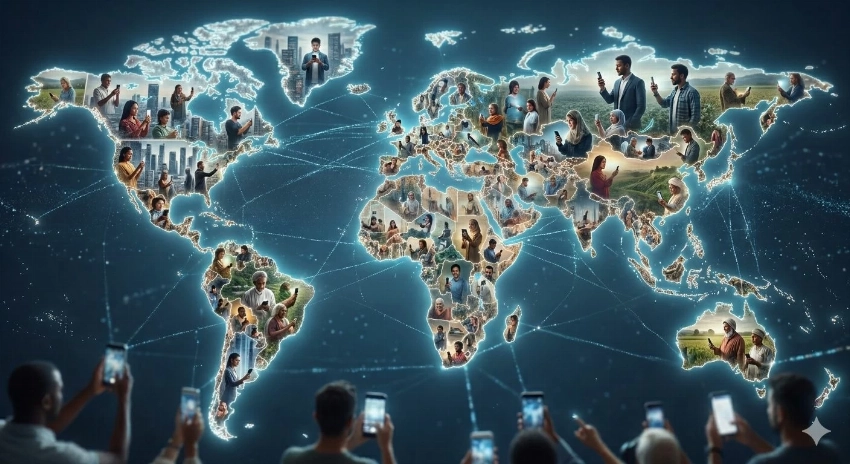
ربما كانت نبوءات مبكرة، لكن لا أحد يُصدّق النبوءة حتى تقع.
•أرقام رويترز: المفاجأة المتوقعة!
⁃٤٠٪ من الجمهور العالمي يتجنبون الأخبار أحياناً أو بشكل متكرر، أعلى مستوى يُسجَّل منذ بدء القياس عام ٢٠١٧.
⁃٤٤٪ من الشباب بين ١٨ و٢٤ عاماً يقولون إن السوشيال ميديا هي مصدرهم الرئيسي للأخبار، مقابل ٢٠٪ فقط ممن هم فوق الـ٥٥.
⁃٥٨٪ من الناس حول العالم قلقون من عدم قدرتهم على التمييز بين الحقيقي والمزيّف في الأخبار.

أرقام مذهلة تكشف أزمة صحافة وأزمة ثقة، ولا الفرق بينهما جوهري!
الإعلام لم يفشل في إيصال الخبر، فشل في إقناع الجمهور بعد أن أخفق في السرعة، ولم يستثمر المصداقية جيداً، والآن الذكاء الاصطناعي في مقدماته يملأ هذا الفراغ.
•تغيّر الإعلام، وتغيّر الإنسان أولاً.
جيل كامل اليوم لم يشترِ صحيفة قط. لم يقتنِ كتاباً ورقياً قط. ولم يلامسهما أبداً، ولم يشعر بأنه يفتقد شيئاً، لأنه لم يعرفه أصلاً!
وأتساءل دائماً، لماذا لا تزال المؤسسات الصحفية تطبع نسخاً ورقية، ولمن؟
الورق والطباعة والتوزيع والتشغيل يكلّف. لو وجّهت هذه التكاليف نحو التحوّل الرقمي، ربما حافظت على حضورها وكبريائها. لكن المؤسسات الكبرى تجيد شيئاً واحداً أكثر من الصحافة: المقاومة، حتى وإن كانت مكلفة!
•الشاشة الكبيرة: لجمال المدن الذكي!
الشاشة الكبيرة أصبحت عملاقة، وصارت واجهة المدن.
من ميدان التايمز سكوير إلى الرياض والبوليفارد، وبينهما البيكاديلي بلندن، الشاشات العملاقة لم تعد تعرض إعلانات فقط. تُصبح مشاهد حية، لوحات فنية، ونوافذ تفاعلية للمارة. شاهدنا ذلك في تظاهرات الفن بـ«نور الرياض».
قلب المدينة النابض، وفي مواقع الجذب والساحات العامة، ستكون شاشات ذكية، تعرف من أمامها. تتحدث بلغته. وتغيّر محتواها قبل أن يغمض عينيه.
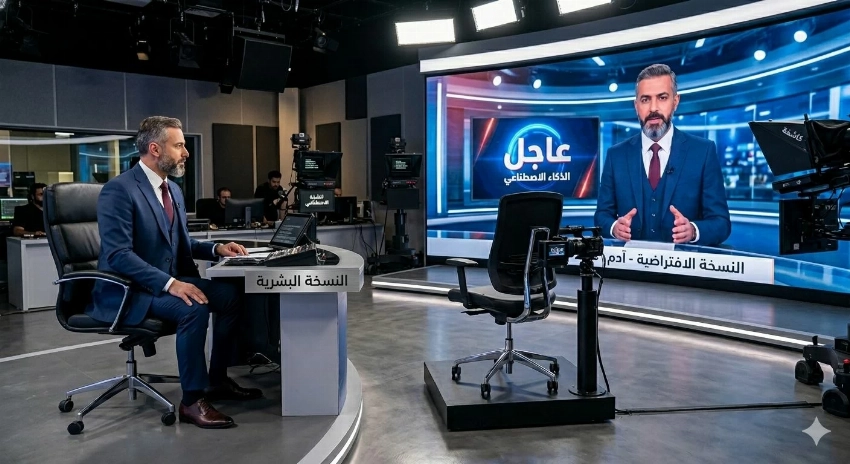
جمال المدن لن يكون في هندسة مبانيها فقط. بل في قدرتها على جعلك تتوقف، وتتفاعل مع شاشة تعرفك.
سوق أجهزة التلفزيون الذكية نما من ٨.٣ مليار دولار عام ٢٠٢٥ إلى ١٨.٤ مليار متوقعة بحلول ٢٠٣٠. أربعة تحوّلات لا رجعة عنها:
المحتوى: توليد تلقائي للتقارير الرياضية والمالية والجوية، مونتاج ذكي فوري، واستوديوهات افتراضية بالكامل. ما كان يحتاج فريقاً من البشر وأشهراً، يمكن لشخصين إنجازه في ساعات.
الإعلان الذكي: NBCUniversal كشفت عام ٢٠٢٥ عن أدوات تُعدّل الإعلان لحظة بلحظة، والمعلن لم يعد يشتري وقتاً، يشتري لحظة بعينها في حياتك، ولا يوجد أقرب لحياتك من شاشة هاتفك الذكي الصغيرة!
سيكون بمقدور قناة واحدة توليد مذيعين يُغطون الأحداث على مدار الساعة، بصوت حقيقي، وحضور لا يتوقف ولا يكلف كثيرا المؤسسات الإعلامية وبالطبع الإعلانية!.
أيضا تلعثم المترجم الفورى سيذهب بلا رجعة، والدبلجة الفورية: مراسل يتحدث العربية، والمشاهد في أمريكا يسمعه بالإنجليزية بصوته مع تطابق حركة الشفاه، أمر يحدث الآن والحاجز اللغوي اختفى.
•الشاشة الصغيرة: إدمان الرفقة!
تقرير رويترز ٢٠٢٥ يؤكد: الاستهلاك الاجتماعي للفيديو قفز من ٥٢٪ في ٢٠٢٠ إلى ٦٥٪ في ٢٠٢٥. واستهلاك الفيديو بجميع أنواعه، من ٦٧٪ إلى ٧٥٪ في خمس سنوات فقط.
الجيل الذي ولد والهاتف الذكي في يده، لم يعد بحاجة أن «يذهب» إلى خبر. الخبر يأتي إليه. يظهر في خلاصته. يحدث أمامه.
هذا هو التحول الحقيقي الذي لا تتحدث عنه الأرقام وحدها.
وبحلول ٢٠٣٠، المستخدم لن يشاهد نشرة الأخبار. سيتحدث إليها. يسأل: «ماذا يحدث الآن؟» ويحصل على تقرير مُخصَّص له وحده، من وكيله الرقمي أو مذيعه الافتراضي أو رفيقته الذكية.
•هذا ما تفعله أجيال ثلاثة الآن:
⁃الجد يقرأ الصحيفة الورقية أحيانا، أما.
الأب يتابع يوتيوب وتويتر ومجموعات الواتساب، والابن لا يشاهد، يتفاعل ويُنتج. والحفيد في عمق الأوامر الصوتية حول العالم !
ثلاثة أجيال في غرفة واحدة تتسع المسافات ولا أحد منهم يستهلك الإعلام بنفس الطريقة. بحلول ٢٠٣٠، الابن سيكون هو الجمهور الأكبر. وهو لا يريد مذيعاً يُخبره، يريد تجربة تتحدث إليه. والذكاء الاصطناعي يعرف هذا، ويبنيه الآن. ليصل إلى الأحفاد!
•من سيختفي؟
الورق، والكاتب، والمذيع الذي يقرأ نشرة، والمُنتج الذي يمضي ساعات في مونتاج روتيني. والمعلن الذي يدفع ثمن تكلفة الإنتاج العالية وبالطبع المقارئ والمتلقي الذي لا يطيق الانتظار ولا يفهم تكلفة الإعلام المبالغ فيها مادامت كل الفضاءات مشرعة بأقل تكلفة وأقل مجهود !
لن يموت التلفزيون، لكنه لن يشبه نفسه.
والجيل القادم لن يفهم لماذا كنّا ننتظر نشرة الأخبار في الرابعة أو الثامنة مساء، أو منتصف الليل !
لن يفهم لماذا كان جيل ينتظر طباعة الصحيفة، أو مسلسل مفضل أو اتصال، لن يفهم ولن يستوعب طاقة الانتظار !
تماماً كما لا يفهم جيل اليوم، لماذا كنّا نذهب إلى البنك ونقراء صحيفة مع كوب قهوة مر !
إلى اللقاء،،
ناصر صالح الصرامي
صحفي سعودي — يكتب في مساحة تلتقي فيها التقنية بالإنسان
I accompanied the big screen from the inside for 12 years in the environment of the Al Arabiya news room. I was at the heart of the big screens when they were an uncontested queen.
In the middle of the last decade, I founded and managed the Middle East Social Media Summits, and we held specialized workshops related to it. Four sessions in Dubai focused on the impact of social media on business, media, and every other sector. One of the keynote sessions featured prominent media leaders and influencers, discussing the transformation and competition between big screens and small screens, and who dominates the scene.
Some spoke cautiously. Others with skepticism. But the numbers today reflect what we said in that room!
Perhaps they were early prophecies, but no one believes a prophecy until it comes true.
• Reuters Numbers: The Expected Surprise!
⁃ 40% of the global audience sometimes or frequently avoids news, the highest level recorded since measurement began in 2017.
⁃ 44% of young people aged 18 to 24 say that social media is their primary source of news, compared to only 20% of those over 55.
⁃ 58% of people around the world are concerned about their inability to distinguish between real and fake news.
Amazing numbers reveal a crisis in journalism and a crisis of trust, and the difference between them is not fundamental!
The media has not failed to deliver the news; it has failed to convince the audience after it faltered in speed, and it did not invest credibility well, and now artificial intelligence is filling this gap.
• The media has changed, and humanity has changed first.
A whole generation today has never bought a newspaper. They have never owned a physical book. They have never touched them, and they do not feel that they are missing anything because they have never known it!
I always wonder, why do media institutions still print paper copies, and for whom?
Paper, printing, distribution, and operation are costly. If these costs were directed towards digital transformation, perhaps they could maintain their presence and pride. But major institutions excel at one thing more than journalism: resistance, even if it is costly!
• The Big Screen: For the Beauty of Smart Cities!
The big screen has become gigantic and has become the face of cities.
From Times Square to Riyadh and the Boulevard, and between them Piccadilly in London, giant screens no longer just display advertisements. They become live scenes, artistic displays, and interactive windows for passersby. We saw this in the art demonstrations at “Noor Riyadh.”
The beating heart of the city, in attractions and public squares, will have smart screens that know who is in front of them. They speak in their language. And they change their content before the person blinks.
The beauty of cities will not be in the architecture of their buildings alone. But in their ability to make you stop and interact with a screen that knows you.
The smart TV market grew from $8.3 billion in 2025 to a projected $18.4 billion by 2030. Four irreversible transformations:
Content: Automatic generation of sports, financial, and weather reports, instant smart editing, and fully virtual studios. What used to require a team of humans and months can now be accomplished by two people in hours.
Smart advertising: NBCUniversal revealed in 2025 tools that adjust advertising moment by moment, and advertisers no longer buy time; they buy a specific moment in your life, and there is nothing closer to your life than the small screen of your smartphone!
One channel will be able to generate broadcasters covering events around the clock, with a real voice, and a presence that does not stop and does not cost media institutions, and of course, advertisers much!
Also, the stuttering of real-time translation will go away for good, and instant dubbing: a reporter speaking Arabic, and the viewer in America hears him in English with his voice matching the lip movements, something that is happening now as the language barrier has disappeared.
• The Small Screen: Addiction to Companionship!
The 2025 Reuters report confirms: social video consumption jumped from 52% in 2020 to 65% in 2025. And video consumption of all kinds rose from 67% to 75% in just five years.
The generation that was born with a smartphone in hand no longer needs to “go” to news. The news comes to them. It appears in their summary. It happens in front of them.
This is the real transformation that numbers alone do not talk about.
By 2030, the user will not watch the news bulletin. They will talk to it. They will ask, “What is happening now?” and receive a report tailored just for them, from their digital agent or virtual presenter or smart companion.
• This is what three generations are doing now:
⁃ The grandfather sometimes reads the paper.
The father follows YouTube, Twitter, and WhatsApp groups, while the son does not watch; he interacts and produces. And the grandson is deep into voice commands around the world!
Three generations in one room expand the distances, and none of them consumes media in the same way. By 2030, the son will be the largest audience. He does not want a presenter to tell him; he wants an experience that speaks to him. And artificial intelligence knows this and is building it now. To reach the grandchildren!
• Who will disappear?
Paper, the writer, the presenter who reads the bulletin, and the producer who spends hours on routine editing. The advertiser who pays the high production costs, and of course, the readers and the audience who cannot wait and do not understand the exaggerated costs of media as long as all spaces are open at lower costs and with less effort!
Television will not die, but it will not resemble itself.
The next generation will not understand why we used to wait for the news bulletin at four or eight in the evening, or at midnight!
They will not understand why a generation waited for the newspaper to be printed, or a favorite series or a call; they will not understand or grasp the energy of waiting!
Just as today’s generation does not understand why we used to go to the bank and read a newspaper with a bitter cup of coffee!
Goodbye,
Nasser Saleh Al-Sarami
Saudi Journalist — writing in a space where technology meets humanity