
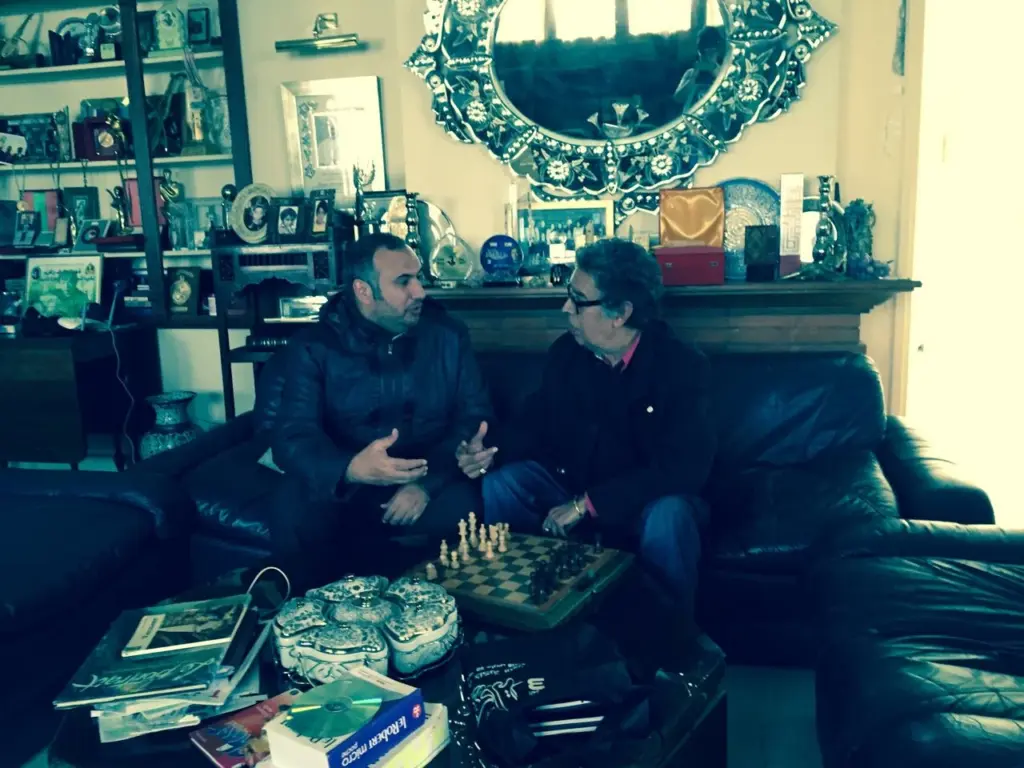
أعاد رحيل الفنان المغربي عبدالوهاب الدوكالي، إلى أذهان السعوديين الحفلة التي أقامها مطلع الثمانينات في العاصمة الرياض، بدعوة من الرئاسة العامة لرعاية الشباب، وصدح خلال الأيام الثقافية المغربية بأشهر أغانيه: (مرسول الحُبّ) التي كرّست اللهجة المغربية في وجدان المشرق العربي.
امتد مشوار الدوكالي الفني لأكثر من ستة عقود، وكان كما وصفته وزارة الشباب والثقافة والتواصل المغربية بأنه «أحد أعمدة الأغنية المغربية وروادها الذين أسهموا لعقود في إغناء الساحة الفنية الوطنية بأعمال خالدة بصمت الوجدان المغربي والعربي».
الدوكالي، المولودعام 1941، مطرب إنساني، وصوت شجي؛ وموسيقار استثنائي؛ شارك مع رفيق دربه الراحل عبدالهادي بلخياط؛ في تطوير الأغنية؛ وتسويقها في كل أنحاء العالم، وكان محبوباً وله قبول بحكم انتقائه الكلمات والألحان التي ترتقي بالذائقة.
بدأ الدوكالي مسيرته الفنية عام 1957 ونال جوائز عدة، منها الجائزة الكبرى لمهرجان الأغنية المغربية بالمحمدية عام 1985 والجائزة الكبرى لمهرجان الأغنية المغربية بمراكش عام 1993، وكرمته مؤسسات ومهرجانات فنية كبرى.
ومن أشهر أغانيه «مرسول الحب» التي أعاد توزيعها عدة فنانين مغاربة وعرب، و«الدار المهجورة» و«بلغوه سلامي» و«كان يا ما كان»، وكذلك أغنية «ما أنا إلا بشر».
ولا زالت ذاكرة أجيال عامرة بصورة ذلك المطرب المتجول برشاقة على المسرح، وتجددت ذكراه برحيله أمس الأول، وسبق أن أوضح في حوار مع «عكاظ» أن الفن بالنسبة له يعني الحياة، ونماء الحواس وتغذية الأرواح، بعاطفة تفتح أبواب الأمل، وترسم طرق الخير أمام البشر. وأبدى أسفه أن تتحكم الآلة في الإنسان أو تحدد مساره. مشيراً إلى أنه تنبأ بتسليع القيم في أغنيته (سوق البشرية) التي نالت الجائزة الكبرى في المهرجان الدولي للأغنية في مصر.
ولم ينس الدوكالي حفلة الرياض في الثمانينات التي ذكرها بكثير من الامتنان كون تلك الحفلة أسهمت في شهرته عربيا وخليجياً، مؤكداً أن الفن رسالة تثقيف قبل أن تكون ترفيهاً.
وأنجز تجربة نفذها واستغرقت منه عاماً كاملاً متمثلة في مهرجان الموسيقى الروحية في مدينة فاس. إذ اختار 12 أغنية من عيون التراث الصوفي منها (إليك ربي) و (يا خليلي) و (إلهي)، موضحاً أن التجربة الروحية مع التراث الصوفي أشعرته بثراء كبير ومنقطع النظير، وكشف حينها أن مرسول الحب من كلمات الشاعر المغربي الراحل حسن المفتي ومن ألحانه شأن غالبية أغنياته؛ مع اعتزازه بتقديم ما يزيد عن 300 أغنية يصفها بالناجحة.
=========================
جراف:
عبدالوهاب الدوكالي.. رحيل أعاد ذاكرة حفلة الرياض التاريخية
«مرسول الحب».. أغنية كرّست اللهجة المغربية في وجدان العرب
أكثر من 6 عقود.. مسيرة فنية صنعت مجد الأغنية المغربية
«الفن رسالة حياة».. فلسفة الدوكالي في مسيرته الغنائية
300 أغنية وجوائز كبرى.. إرث موسيقي خالد لعبدالوهاب الدوكالي
التجربة الروحية مع التراث الصوفي منحته ثراءً فنياً
The departure of Moroccan artist Abdelwahab Doukkali reminded Saudis of the concert he held in the early 1980s in the capital, Riyadh, at the invitation of the General Presidency for Youth Welfare. During the Moroccan cultural days, he sang some of his most famous songs, including “Morsoul Al-Hob” (Messenger of Love), which established the Moroccan dialect in the hearts of the Arab East.
Doukkali’s artistic journey spanned more than six decades, and he was described by the Moroccan Ministry of Youth, Culture, and Communication as “one of the pillars of Moroccan song and its pioneers who contributed for decades to enriching the national artistic scene with immortal works that left a mark on the Moroccan and Arab conscience.”
Born in 1941, Doukkali was a humanitarian singer with a soulful voice and an exceptional musician. He collaborated with his late companion Abdelhadi Belkhayat to develop and market the song worldwide, and he was beloved for his choice of lyrics and melodies that elevate taste.
Doukkali began his artistic career in 1957 and received several awards, including the Grand Prize at the Moroccan Song Festival in Mohammedia in 1985 and the Grand Prize at the Moroccan Song Festival in Marrakech in 1993. He was honored by major institutions and artistic festivals.
Among his most famous songs are “Morsoul Al-Hob,” which has been reinterpreted by several Moroccan and Arab artists, as well as “Al-Dar Al-Mahjoura” (The Abandoned House), “Balghouh Salami” (Convey My Greetings), “Kan Ya Ma Kan” (Once Upon a Time), and the song “Ma Ana Illa Bashar” (I Am Just a Human).
The memory of generations is still filled with the image of that agile singer moving gracefully on stage, and his memory was revived with his passing the day before yesterday. He had previously stated in an interview with “Okaz” that for him, art means life, the growth of senses, and nourishing souls with emotions that open doors of hope and pave paths of goodness for humanity. He expressed his regret that machines control humans or determine their paths, noting that he predicted the commodification of values in his song “Souq Al-Basharia” (Market of Humanity), which won the Grand Prize at the International Song Festival in Egypt.
Doukkali did not forget the Riyadh concert in the 1980s, which he mentioned with great gratitude as that concert contributed to his fame in the Arab world and the Gulf, affirming that art is a message of education before it is entertainment.
He completed an experience that took him a full year, represented in the Spiritual Music Festival in the city of Fez. He chose 12 songs from the treasures of Sufi heritage, including “Ilayka Rabbi” (To You, My Lord), “Ya Khalili” (Oh My Friend), and “Ilahi” (My God), explaining that the spiritual experience with Sufi heritage made him feel an unparalleled richness. He revealed at that time that “Morsoul Al-Hob” was written by the late Moroccan poet Hassan Al-Mufti and composed by him, like the majority of his songs; he takes pride in having presented more than 300 songs that he describes as successful.
=========================
Graph:
Abdelwahab Doukkali.. A departure that revived the memory of the historic Riyadh concert
“Morsoul Al-Hob”.. A song that established the Moroccan dialect in the hearts of Arabs
More than 6 decades.. An artistic journey that created the glory of Moroccan song
“Art is a message of life”.. Doukkali’s philosophy in his musical journey
300 songs and major awards.. A lasting musical legacy of Abdelwahab Doukkali
The spiritual experience with Sufi heritage granted him artistic richness